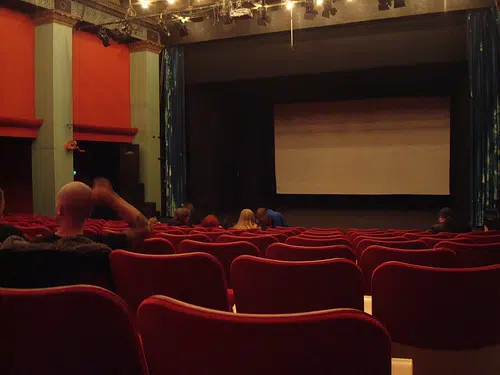
Horror movies have terrified audiences for generations — from the eerie shadows of Nosferatu to the relentless menace of Michael Myers — captivating viewers with their ability to provoke fear, suspense, and fascination. Yet as technology advances, special effects become more realistic, and societal fears evolve, one question lingers: are horror films actually getting scarier, or have we simply become harder to frighten?
That’s the question explored in this episode of Almost 107, where we speak with horror fans and a film and television professor about what makes audiences jump.
Outside a screening of The Black Phone 2, one moviegoer says today’s horror films rely too heavily on digital effects.
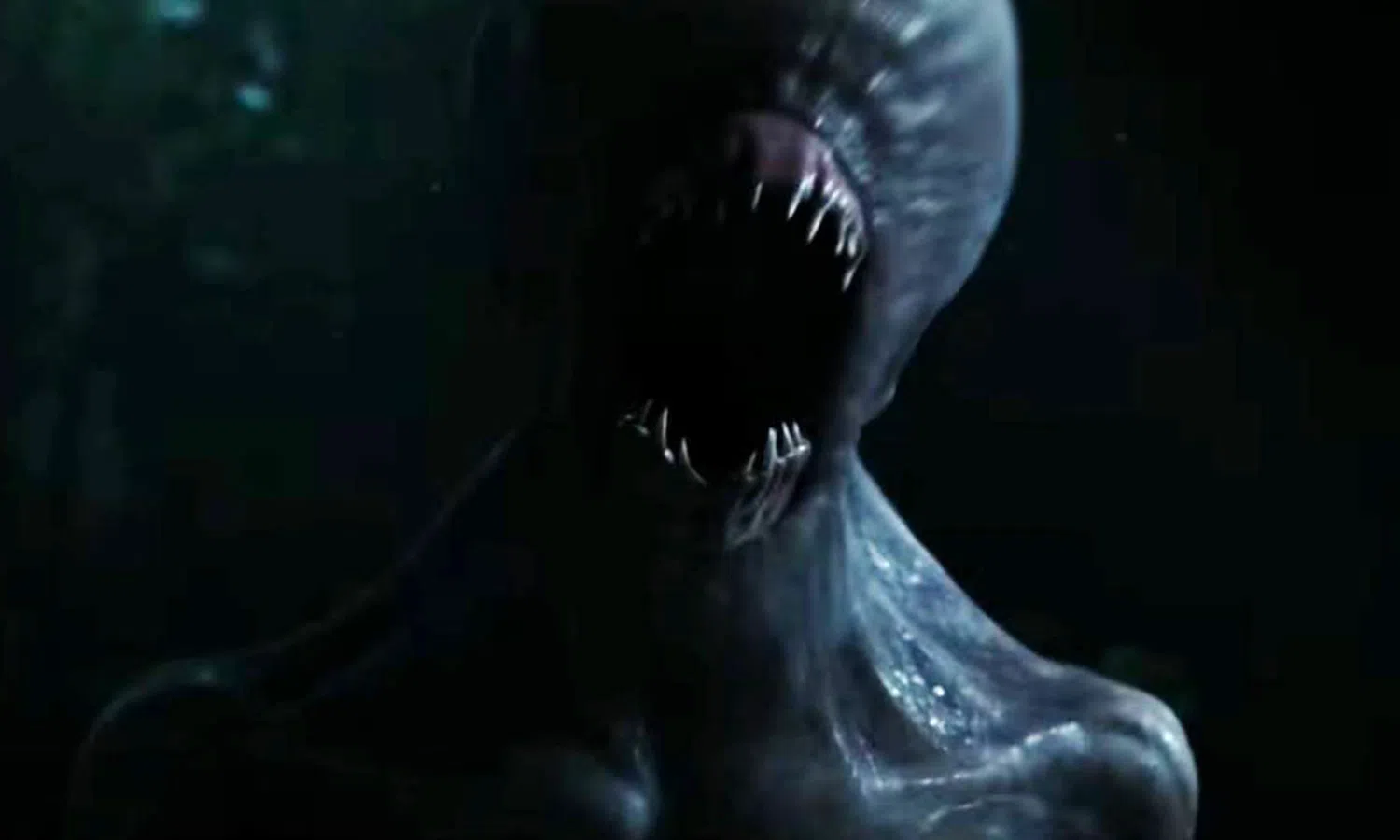
“Yeah, I feel like we’re missing out on a lot of practical effects,” he says. “Aliens had a great way to define fear with the little technology they had. Now, all horror is just CGI.”
Twentieth Century Fox
He says older films built tension differently.
“Old horror movies would shoot longer. You had more time to build up suspense. Now it’s just two fast cuts.”
But not everyone agrees. Professor Morgan Baker, who teaches film and television, says horror movies are getting scarier and that’s by design.
“When we think of early horror movies like Invasion of the Body Snatchers or The Tingler, filmmakers were showing audiences something they had never seen before,” Baker says.
“Every time a horror movie scares its audience, it raises the bar for the next filmmaker.”
Baker says advances in technology have allowed filmmakers to push creative boundaries.
“In the 1950s and ’60s, limitations were mostly technical,” he says.
“You had to build the creature, show blood or explosions practically. As technology improved, those things became easier to do.”
He also points to the relationship between the actor and the camera as key to creating fear.
“If you’re being followed, you rely on the actor to show that fear. Quick camera movements make the audience feel like a second person is there.”
Baker notes that many techniques once considered groundbreaking, like taking the camera off a tripod were physically demanding and rare in early filmmaking.
When it comes to villains, Baker says it depends on the type of horror film.
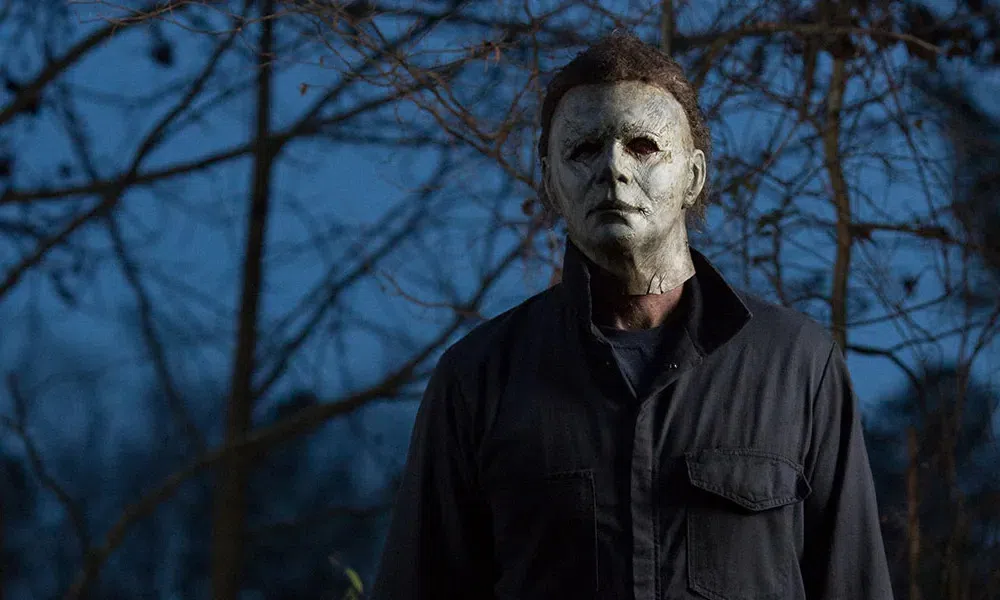
“With Halloween, Friday the 13th, or Nightmare on Elm Street, you know what to expect,” he says.
Varity
“Sometimes it’s even comedic. But movies in The Conjuring universe are scarier because they feel like they could actually happen.”
For Baker, the most powerful horror still happens in the viewer’s imagination.
“The scariest thing you can create is in the imagination of the audience,” he says.
“Think of Psycho’s shower scene. You never really see the knife strike — but it terrified a generation.”
Whether it’s through practical effects, computer-generated imagery or clever editing, horror continues to evolve with each new scream. as one horror movie is mad it sets the bar higher for the next and repeats that flow through history. I have no doubt that in another decade horror movies will become even scarier, How? director and movie creators will continue to improve through technology and writing.
To hear more on how filmmakers keep fear alive, tune in to this week’s episode of Almost 107.



