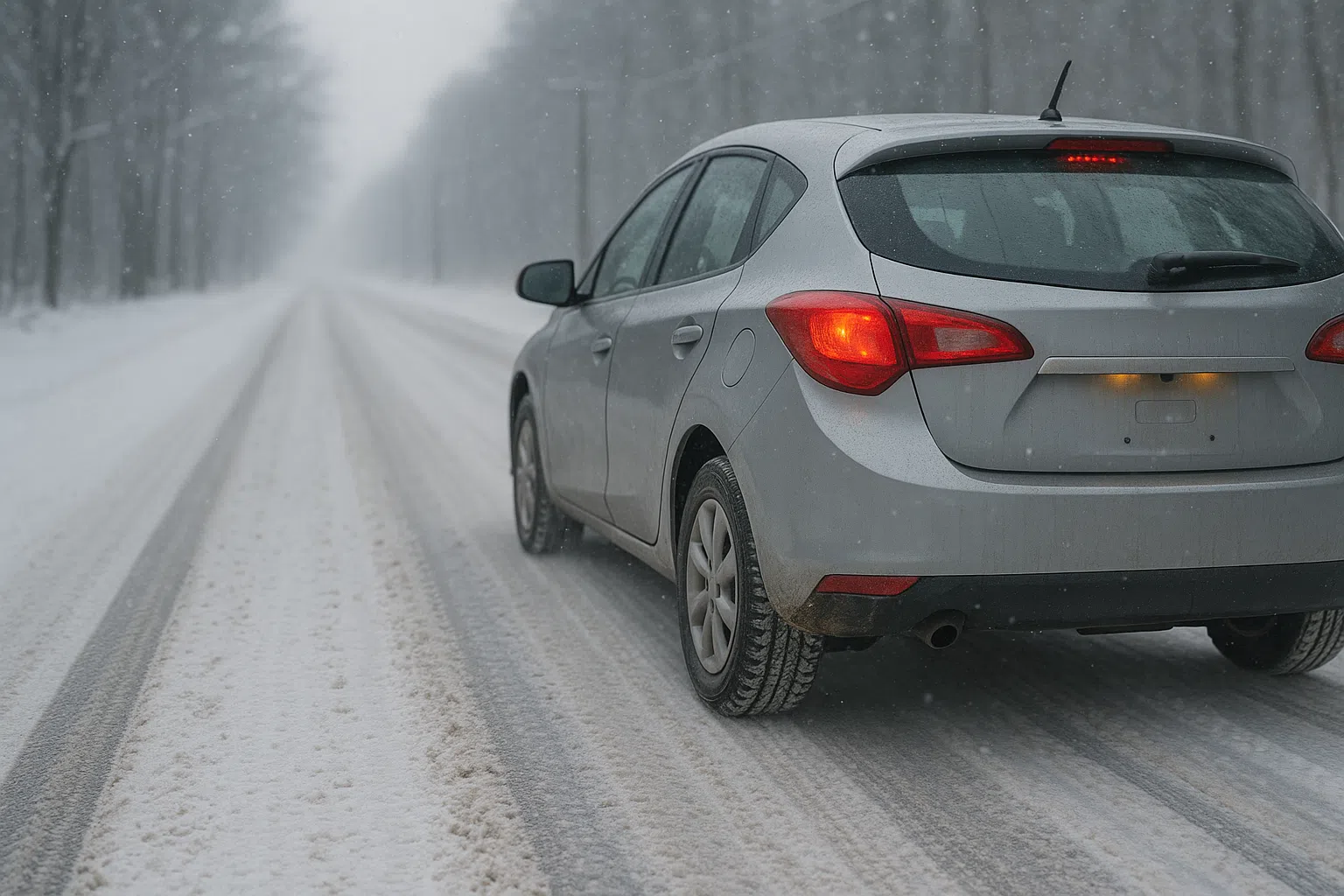
 As winter weather begins to take hold in southern Ontario, CAA South Central Ontario is sharing practical advice to help drivers stay safe on the roads during the first snowfall of the season.
Spokesperson Nadia Matos says preparation should start long before drivers face icy roads or blowing snow. She recommends focusing on three major areas: winter tires, battery health, and a well-stocked emergency kit.
“We generally focus on three big areas,” Matos said. “Get your winter tires on, make sure your car battery is going to last the winter months, and make sure you pack an emergency kit.”
She says that having winter tires remains one of the most effective ways to stay safe in cold weather. “Winter tires have been shown to reduce braking distance by up to 25 per cent,” she said. “When it’s slippery or slushy outside, that can make all the difference.”
Matos adds that many drivers underestimate how quickly a weak battery can fail in cold temperatures. “A lot of people don’t realize the average car battery only lasts about three to five years,” she said. “All the electrical demands on vehicles, plus the heat and extreme cold, really impact the battery’s lifespan.”
Visibility also becomes a major issue during the first snowfall. Matos says many drivers hit the road without turning on their full lighting system. “I often see people on the highway with just their daytime lights running,” she said. “It’s really important that we can see you.”
Adjusting how you drive to the conditions on the road matters as well. Matos says the first real snowfall often leads to preventable crashes when drivers don’t slow down. “You’re going to be dealing with black ice, slippery conditions, and roads that might not be salted yet,” she said. “It’s about slowing down and driving to the weather conditions.”
If someone becomes stranded, Matos says staying inside the vehicle is almost always the safest option. “The safest place for you is usually inside your vehicle with your seat belt on,” she said. She adds that drivers should call for help, stay warm, and make themselves as visible as possible. If the vehicle ends up in a ditch, she warns that the tailpipe must be checked to ensure it isn’t blocked by snow.
Matos says planning ahead can prevent many winter emergencies. “Do your homework,” she said. “Check for road closures and make sure you know what the weather looks like for your whole trip.”



