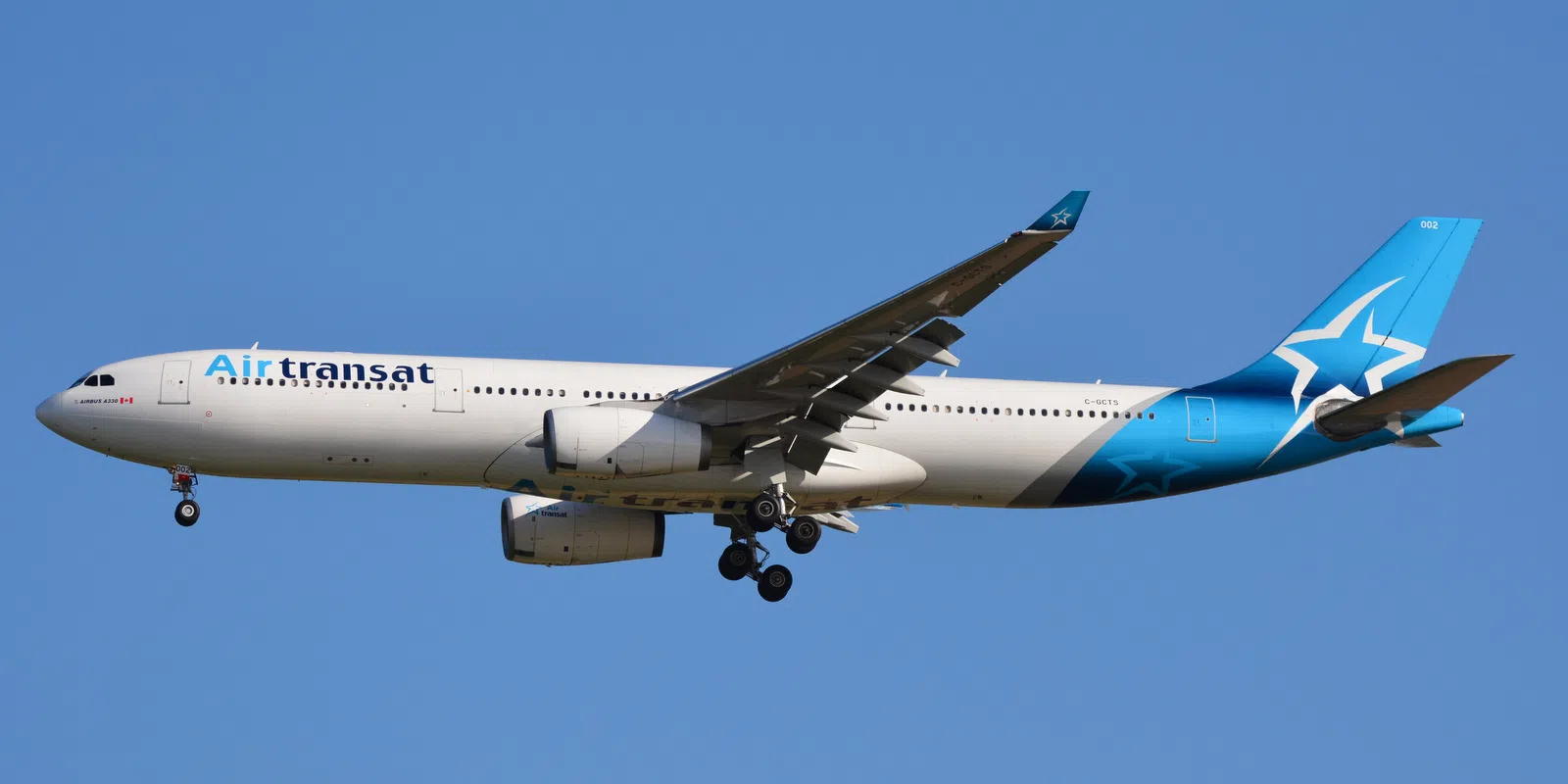
Air Transat has started suspending flights ahead of a possible walkout after its pilots issued a 72-hour strike notice, raising the prospect of major holiday travel disruptions across Canada.
The union says pilots are seeking a contract that reflects current economic conditions and industry standards. Their existing agreement was signed in 2015.
Aviation labour expert Geraint Harvey, the Chair in Human Organization at Western University, says that contract no longer aligns with the realities of today’s aviation sector.
“This agreement reflects 2015 and 2025 is not 2015,” Harvey said in an interview. “It’s a different universe to 2015. Certainly for commercial aviation, the changes over the last decade have been colossal.”
Harvey said the pandemic reshaped the profession, forcing some pilots who had spent years and significant money on training to leave aviation after prolonged layoffs.
“There are people who’ve paid a heck of a lot of money to train to be a pilot who’ve looked at a different career because they were laid off as a result of the pandemic,” he said. “This has had a huge impact on all parties involved.”
Air Transat says it is navigating financial pressure and is trying to balance long-term sustainability with offering competitive compensation. The union argues pilots are simply looking for wage and scheduling improvements that keep pace with inflation and the changing demands of the job.
Harvey said pilots hold leverage in the negotiations because of a persistent shortage of qualified commercial aviators.
“You’ve got lots of private pilots, but there is a limited supply of commercial airline pilots,” he said. “You can’t fly without pilots.”
He noted that airlines are also dealing with increased travel demand and more demanding schedules at a time when the pilot pipeline has not kept up.
“Far more people are flying. Far greater demand. Far more arduous schedules,” he said. “This is a difficult job. These people are operating in the window of circadian lows… it’s incredibly tough, incredibly demanding.”
Transat has begun a gradual shutdown of operations to avoid stranding passengers should a strike proceed. The airline says talks will continue, but the union maintains there must be “significant progress” at the bargaining table to avert a walkout.
Harvey said the standoff reflects a widening gap between what airlines can offer and what pilots expect.
“Pilots are looking for the best possible deal to reflect changes in the economy, inflation and cost of living,” he said. “This is why these two parties are so far apart currently.”
The federal government has not signalled whether it will intervene.



