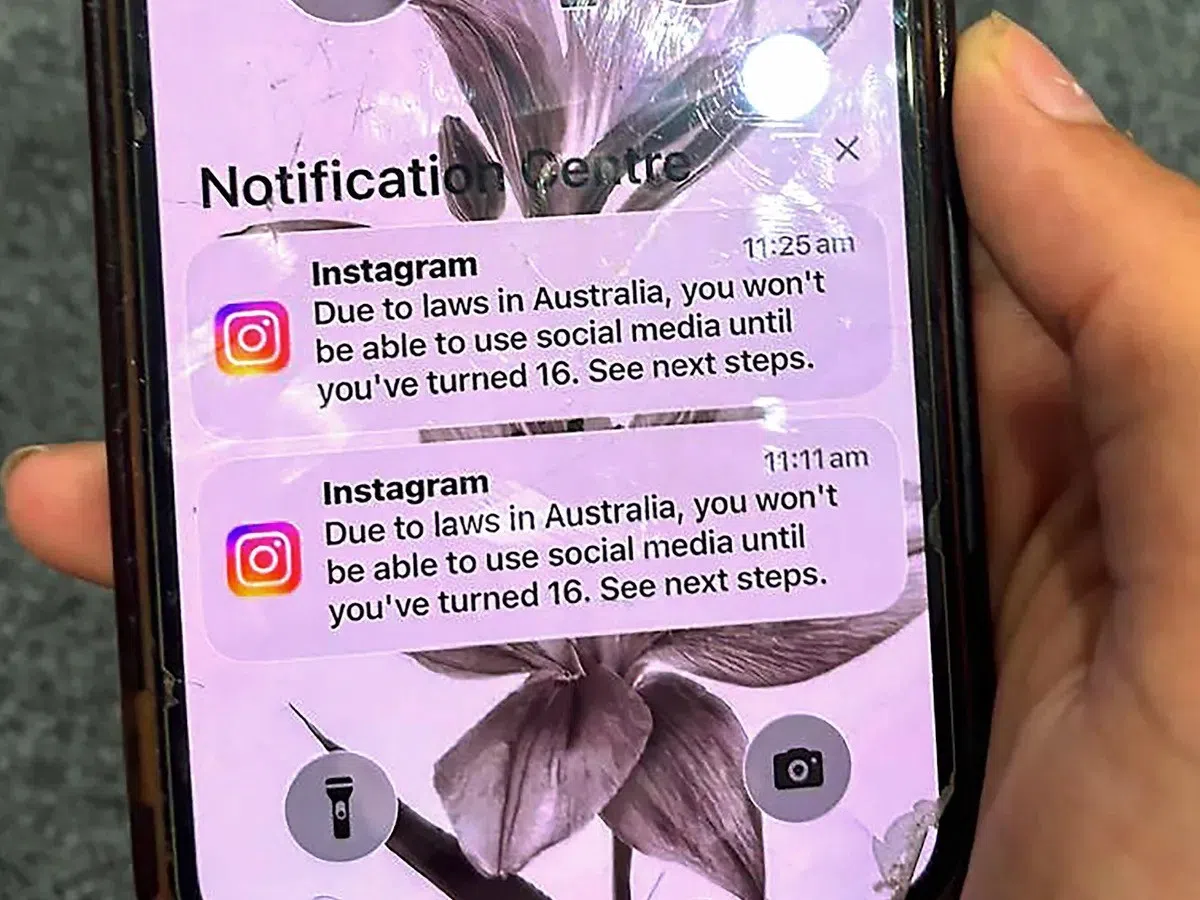
Australia has become the first country in the world to ban children under 16 from major social media platforms, effective December 10, 2025. Platforms including TikTok, Instagram, X (formerly Twitter), Snapchat, Reddit, YouTube, Twitch, Threads, and Kick must deactivate under-16 accounts and block new registrations.
Paduma Green, a final-year business management student researching social media’s effects on adolescents, said the policy raises questions about enforcement, privacy, and long-term impacts.
“There’s a double-edged sword. I am happy they’re planning on doing something to counter the effects on teens. But what is the long-term effect when social media use is taken away?” Green said.
They also raised concerns about how the ban will be policed and how personal data will be handled. “How are they going to police this? If TikTok finds kids signing up, what are the implications? And the ID system, where’s that information going, who’s policing that?”
Green highlighted potential unintended consequences. “Without research or knowledge on how to implement it, it’s kind of dangerous on its own. Are kids going to be behind the rest of the world when it comes to technology? That’s a question we don’t have the answer to yet.”
Christopher Dietzel, a postdoctoral researcher at Western University, said the ban is well-intentioned but incomplete. “It does nothing to remove problematic content or change behaviors. As soon as children turn 16, all these harms still exist,” he said.
Dietzel emphasized the importance of education and regulation. “Youth are no better prepared to address these harms. Platforms need to take more responsibility to remove harmful content rather than relying on users. We also need better features, reporting options, and algorithms designed with youth safety in mind.”
He warned the ban could drive teens toward less-regulated platforms. “Young people will often find creative means to get around technology. They could be pushed to dangerous parts of the internet, such as the dark web.”
While Australia’s ban marks a historic step in protecting young users, experts say it must be paired with education, stronger platform accountability, and broader strategies to address the digital harms teens face.



