Fashion trends are concepts we take inspiration from based on our culture, age, gender, and ideas of what we deem to be socially normative. In modern Canadian society, these trends are quite rigid and highly based upon what the general collective agrees to be normal for your gender. Men are advised to hold strong and masculine appearances whereas women are taught to look feminine and delicate.
Despite such black-and-white thinking imposed in the Western world, many have stood tall in their beliefs that the barriers of these gender norms should be broken down, and allow for the freedom of self-expression in any way others see fit. Queerness has always been, and continues to be, a way to go against fashion norms.
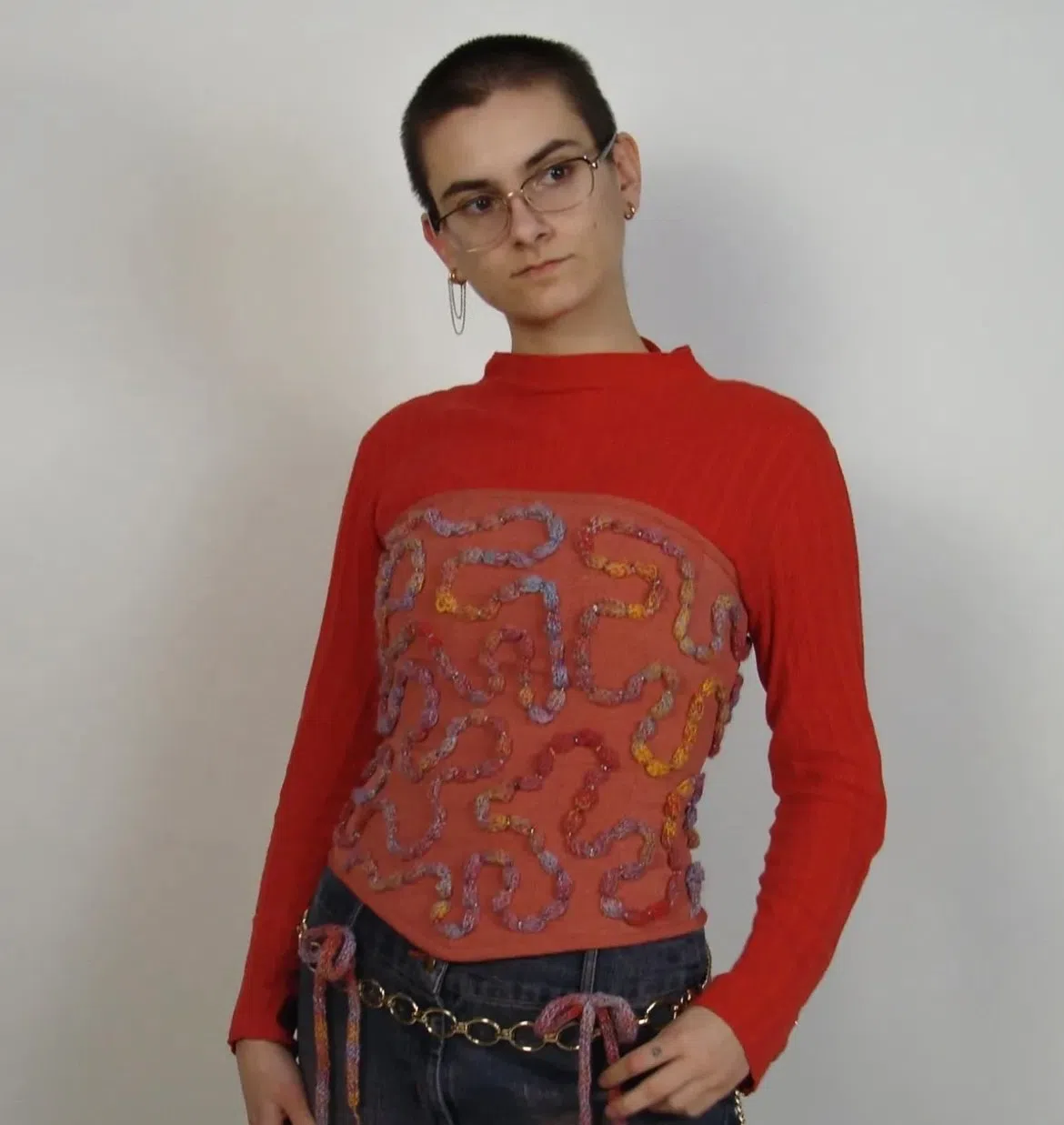
(Reid Adam, Fashion Designer and Fibre Artist)
As of 2025, 1.3 million Canadians report being 2SLGBTQ+, with 10.5 per cent between 15 and 24, and 8.1 per cent being transgender. This number is likely higher due to those who are closeted, questioning, or feel uncomfortable disclosing, but shows how relevant issues surrounding queerness are on a national scale.
For those in the community, fashion is a way to present to others how you feel internally, express yourself in a way that feels comfortable, and find connection with people who reflect the same ideals and passions. This, in many ways, goes against general ideas of what is acceptable and can cause backlash from those with traditional views.
Reid Adam, a local Fashion Designer and Fibre Artist, believes that the industry backing fashion trends as a whole needs to change.
“Fashion needs to move towards the idea of gender fluidity and genderlessness, just to move fashion forward,” says Adam, and “for so many years, fashion has been used as a tool to enforce gender roles and enforce conformity.”
“To move forward, what we haven’t done is really get rid of these categories and just live freely,” said Adam.
Fashion has also been put under a microscope by educators to identify the relationship between fashion and gender.
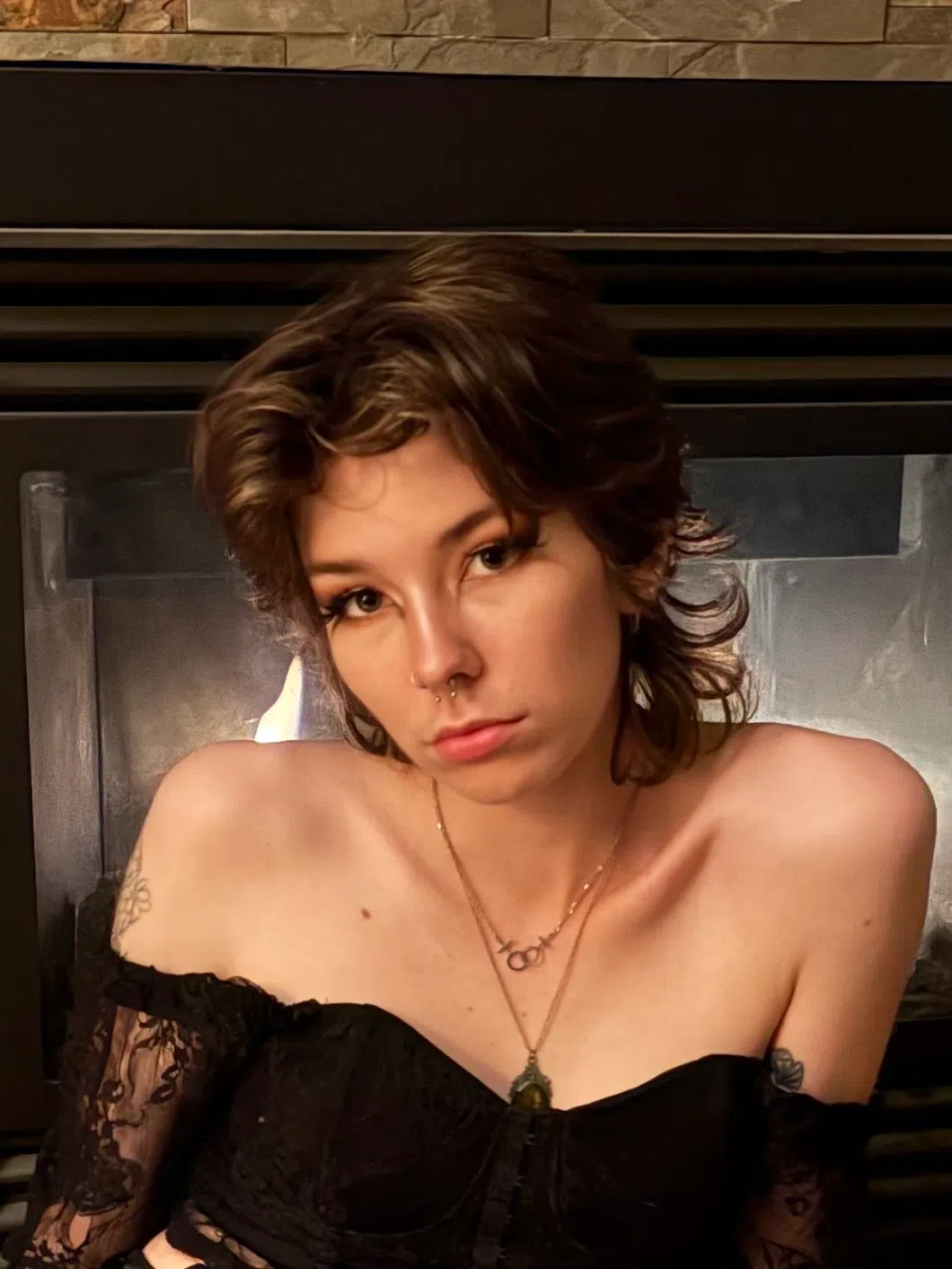
(Ella Brown, Masters Student in Gender, Sexuality and Women’s Studies)
“Iconic feminist theorist Judith Butler paints it really well in their theory of gender performativity, this idea that we perform our gender on a day-to-day basis,” said Ella Brown, Masters Student at Western University in Gender, Sexuality and Women’s studies.
“When it comes to masculinity and femininity and how it’s posited as so binary… I feel like a lot of it comes from colonialism, a lot of it comes from pushing a western agenda, and I do think at the end of the day is harmful,” said Brown.
With ideas of modern changes and how gender is expressed, the historical aspect of fashion tells us that fashionable gender norms are constantly evolving and have no set rule of how to dress.
“When we look at kind of our modern day gender trends, and our modern day fashion trends, we can trace some of these legacies back from colonization,” said Jacob Evoy, Professor in Gender and Fashion at Western University.

(Jacob Evoy, Professor at Western University in Gender and Fashion studies)
Colonizers came up with categorizations of race and gender to “justify” the violence against Indigenous peoples, says Evoy, placing intersectional hierarchies on groups of people. They explain that fashion was one of the tools used to implement this divide, and have impacted what we are taught about what certain genders should wear.
Ultimately, this is not only an intersectional issue but will be impacted by exterior pressures. Queer individuals say it is a way to rebel, fight for the rights of your neighbours, friends, and family, and be true to who you are. With a growing conservative landscape and uncomfortability with the unknown, queer fashion gives way to go against the odds and be a movement toward liberation for all.



