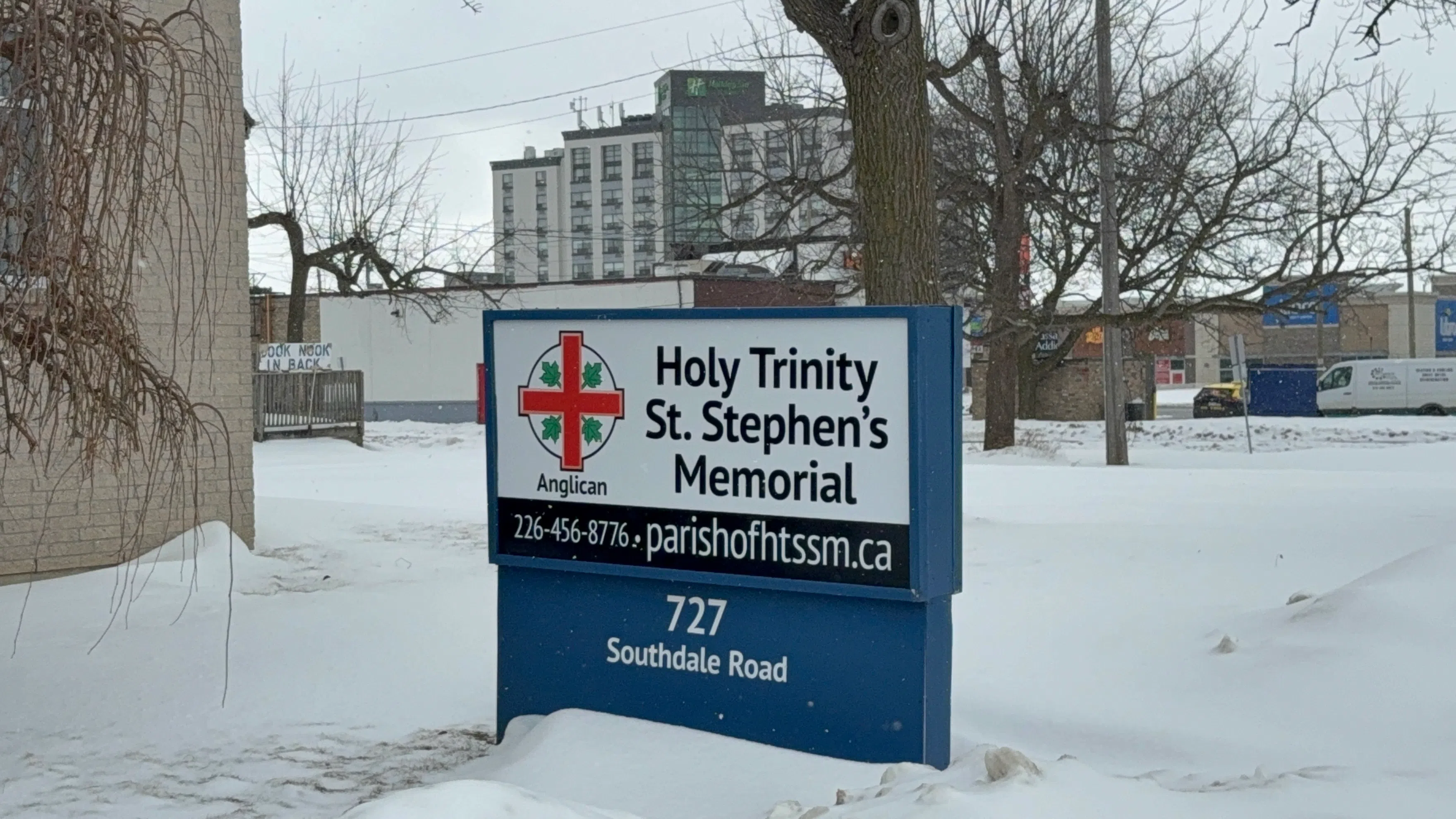
Warming centre place
When temperatures dropped below –30 C earlier this winter, church leaders in London worried about people sleeping outside.
Starting Feb. 17, Holy Trinity St. Stephen’s Memorial will open its doors seven nights a week as a warming centre, offering a safe place to stay during cold weather. The space will run until at least the end of March.
The effort is a partnership between local Anglican churches, the City of London and Ark Aid Street Mission. The goal is simple: make sure people have somewhere warm to go when temperatures fall below –5 C.
Why this matters
Homelessness in London has been rising, and shelters often run at or near capacity. During extreme cold, the risk of frostbite and other health problems increases quickly for people living outside. City council recently lowered the temperature threshold for opening additional warming spaces from –15 C to –5 C.
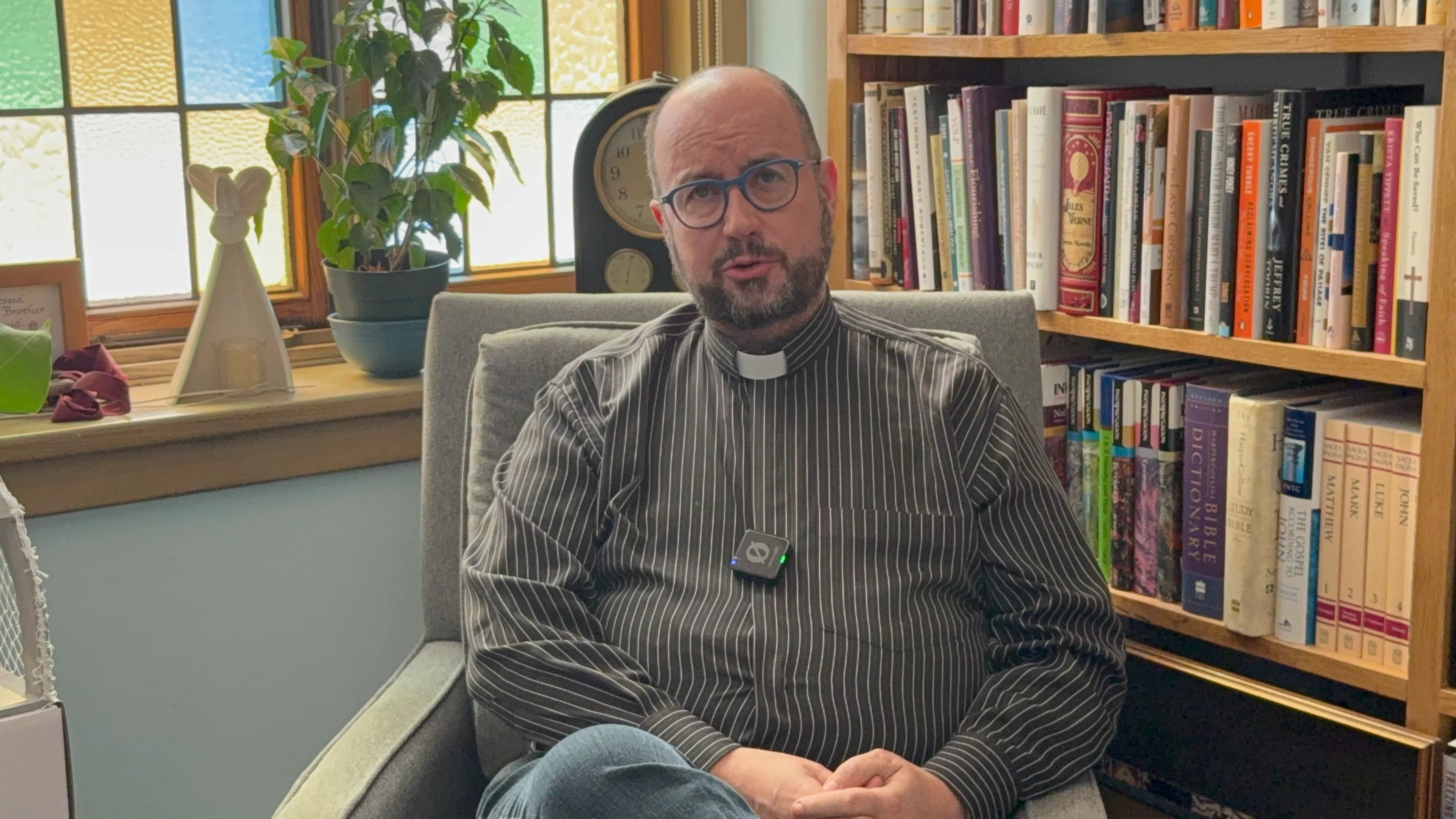
Kevin George Dean of Huron
Kevin George, Dean of Huron and Rector of St. Paul’s Cathedral, said the idea came together after a severe cold snap hit the city.
“We can’t have space available to us, knowing that there are people literally freezing on our streets, and not do the very best that we can,” George said.
He said several churches first considered splitting up the week, but realized it would be confusing for people to figure out where to go each night. Instead, Holy Trinity St. Stephen’s Memorial agreed to host the program every night, with volunteers rotating in to help.
How the warming centre works
Ark Aid Street Mission is overseeing the daily operations, including staff, security and transportation.
Sarah Campbell, executive director of Ark Aid, said warming centres are critical during extreme weather and should be part of a broader, year-round response.
“When it’s super cold, super hot, hailstorms, snowstorms, ice storms, those are the moments that it really does come down to life and limb,” Campbell said.
She said churches across the city are helping by providing volunteers, food, clothing and other supplies. The city is contributing funding to help cover staffing and security costs.
Campbell said having a consistent location makes it easier for people to know where to go and helps build trust over time. Along with a warm place to sleep, guests will have access to hot soup, drinks, washrooms and a place to dry clothing.
Looking beyond emergency shelter
Both George and Campbell said warming centres are only one part of the solution.
Campbell said homelessness in London is growing and long-term fixes, such as more affordable housing and better mental health supports, are needed.
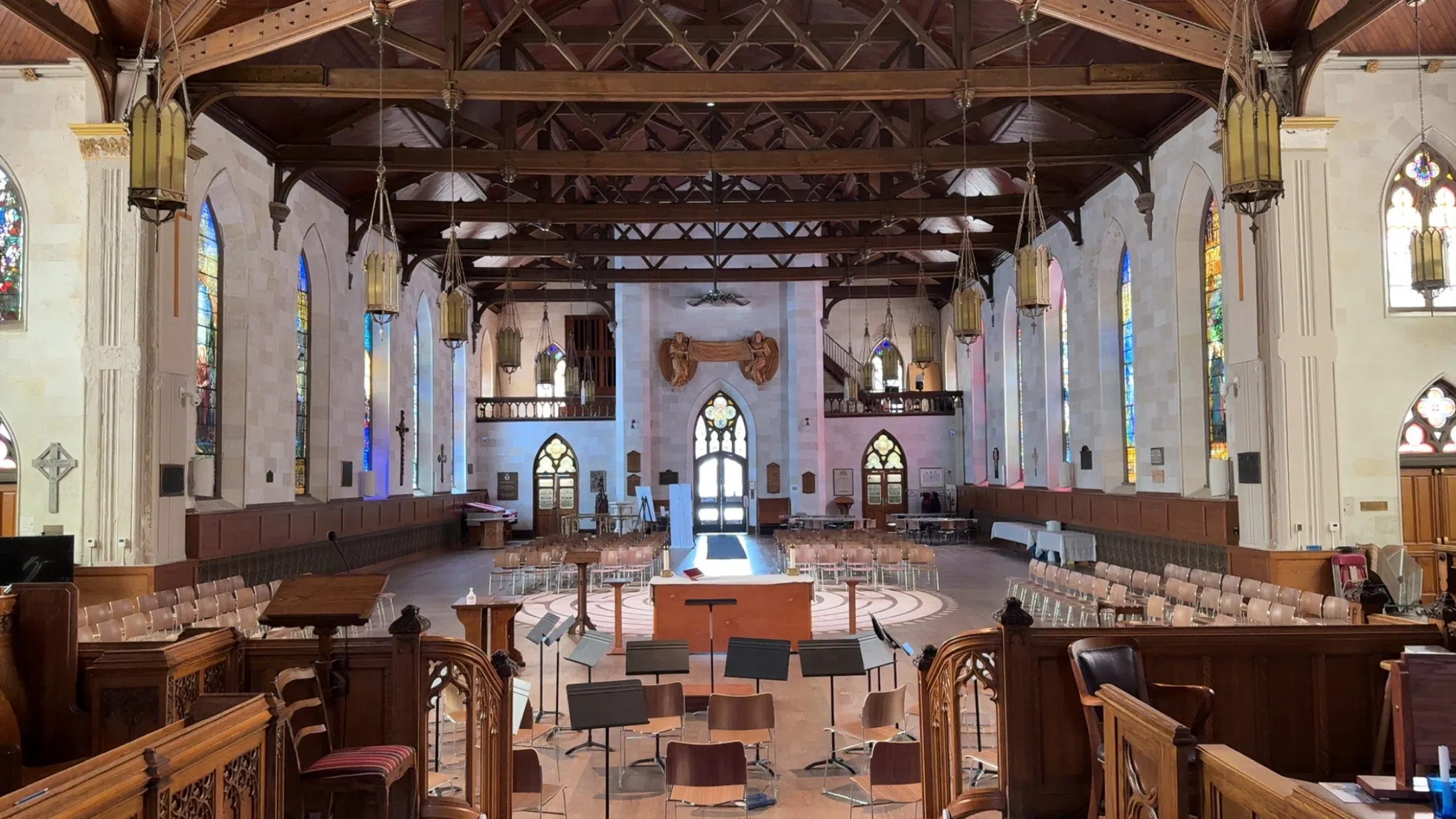
Interior of the St. Cathedral
George encouraged residents not to look away from the issue.
“Don’t look away from the pain and the suffering,” he said. “We need to demand better of ourselves and our leaders.”
City officials were not immediately available for comment on future funding plans beyond this winter.
https://www.youtube.com/watch?v=k2f-P1o1fbU



