

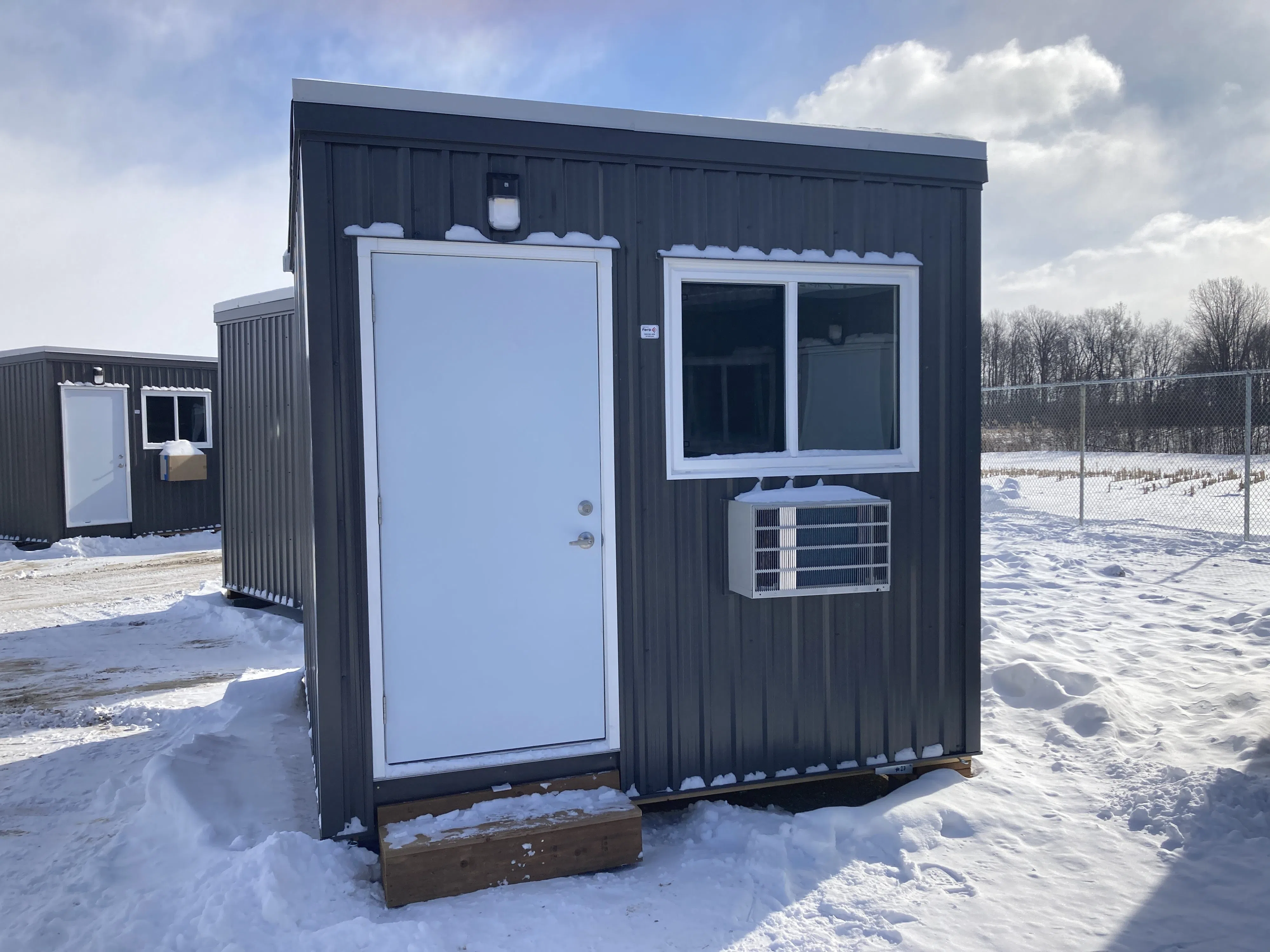
 Nearly two weeks after residents began moving into London’s new micro-modular shelters, the site is slowly filling up and early lessons are already being learned.
The 60-unit site on Cheese Factory Road was built to give people experiencing homelessness a safer, private place to stay while they work toward more permanent housing. City staff say the move-in process is happening gradually to make sure supports are in place and any issues are handled quickly.
“We’re taking a careful approach,” project lead Chris Green said in an interview days after the site opened. “We want to make sure the people moving in have the supports they need and that the site is running smoothly.”
The micro-modular shelter village is one of the city’s newest efforts to provide immediate, safer housing options for people in a city where homelessness remains a growing concern, with shelters often operating at or above capacity. Because it is fully funded by municipal tax dollars, the project has drawn support and and some criticism from the community.
The initiative was launched under direction from Mayor Josh Morgan using “strong mayor powers” to speed up the timeline. Construction started in late fall and wrapped up in roughly two-and -a-half months.
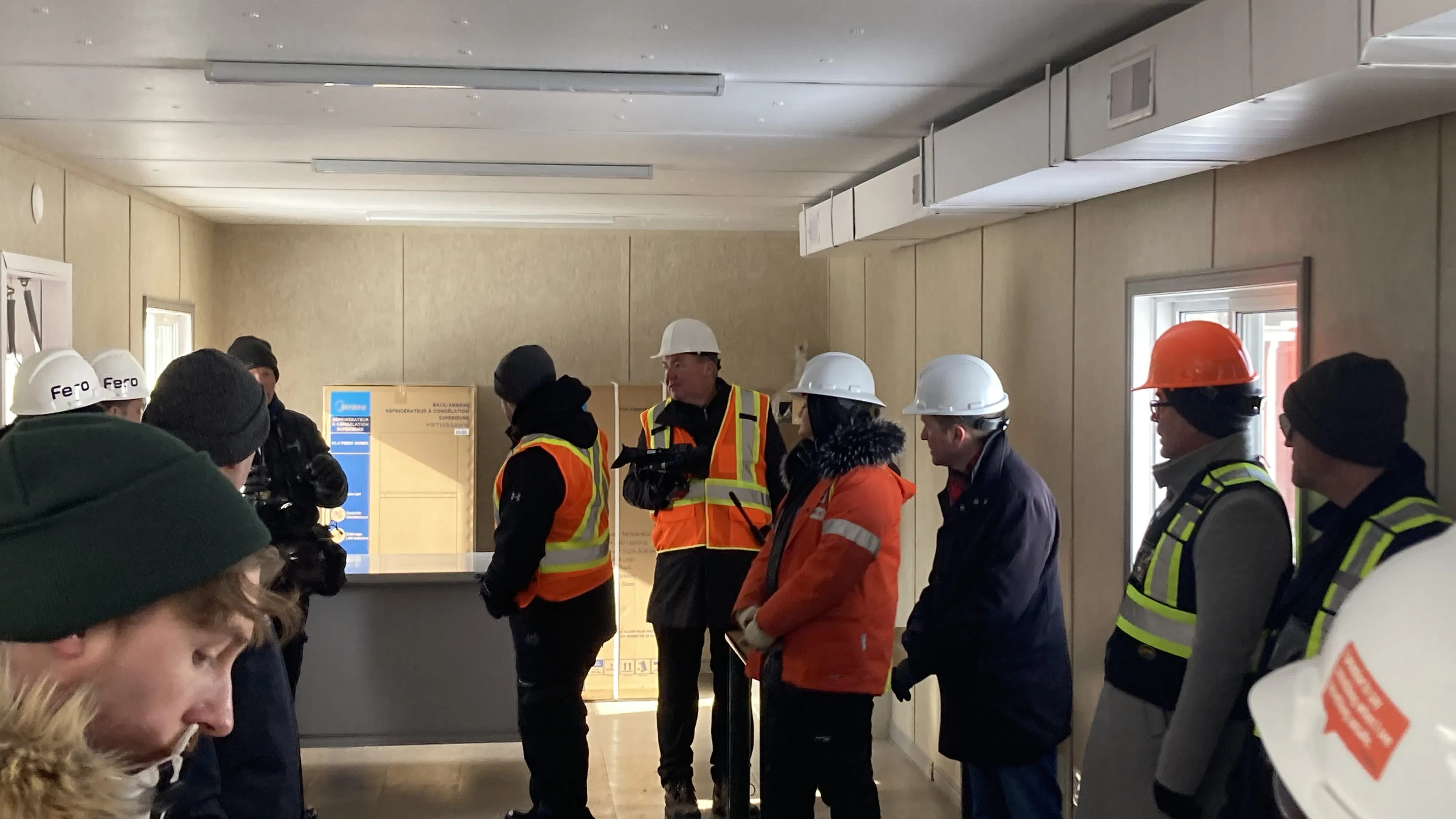 What the site offers
Each resident has a small private cabin, along with access to shared washrooms, showers, laundry facilities and common areas. Staff are on site to provide support and help connect residents to health care, housing services and other community resources.
While the shelters are not permanent housing, city officials describe them as a step up from sleeping outdoors or in emergency shelters.
Community reaction
While the cost and location south of Highway 401 drew criticism from some community members, as reported in local media, early feedback from residents has been positive, said Sarah Campbell, executive director of Ark Aid Street Mission, which helps provide meals and support to people staying at the site.
“Whatever people think about the location or the idea itself, the reality is that people now have a warm, safe space they didn’t have before,” Campbell said.
Many residents have expressed relief at having privacy and stability, she said.
The cost and the bigger picture
The total cost of the project is approximately $7 million, funded by the municipality. That includes building the site, infrastructure, staffing and ongoing operations.
City officials stress that the micro-shelters are not a long-term solution to homelessness but part of a broader plan that includes supportive housing and prevention programs.
What happens next
As the project moves further into its first month, the focus remains on steady move-ins, resolving early challenges and building trust with the surrounding community.
Officials say success will be measured by not just how many micro-modular shelters are filled, but by how many residents are eventually able to move on to stable housing.
For now, the small cabins represent something simple but significant: a door that locks, a bed out of the cold, and a first step toward something more permanent.



