
Do you remember the first day you left home? The way you felt excited yet lost, and the way you thought it’s the door for freedom.
A recent episode of the Almost 107 podcast explored what life is really like for people who live on their own, sharing stories of independence, struggle and transformation.
Almost 107 podcast cover XFM Reporter Melissa Ghanoum
For Michel Sakr, a PhD candidate at Western University who moved overseas to live alone, the greatest challenge has been the distance from his loved ones.
“When I came to Canada, I started realizing the people you love back home are aging, and you’re not there to experience those core memories” Sakr said.
Being away from his family often brought overwhelming emotions.
“It’s that feeling of being powerless and not being able to do anything.” he added.
Still, every time he visits home, he is reminded of how deeply those bonds remain. “My grandmother still does my laundry every morning like the old days, even though she knows I can do it. You go back home as if nothing changed, yet everything has changed.”
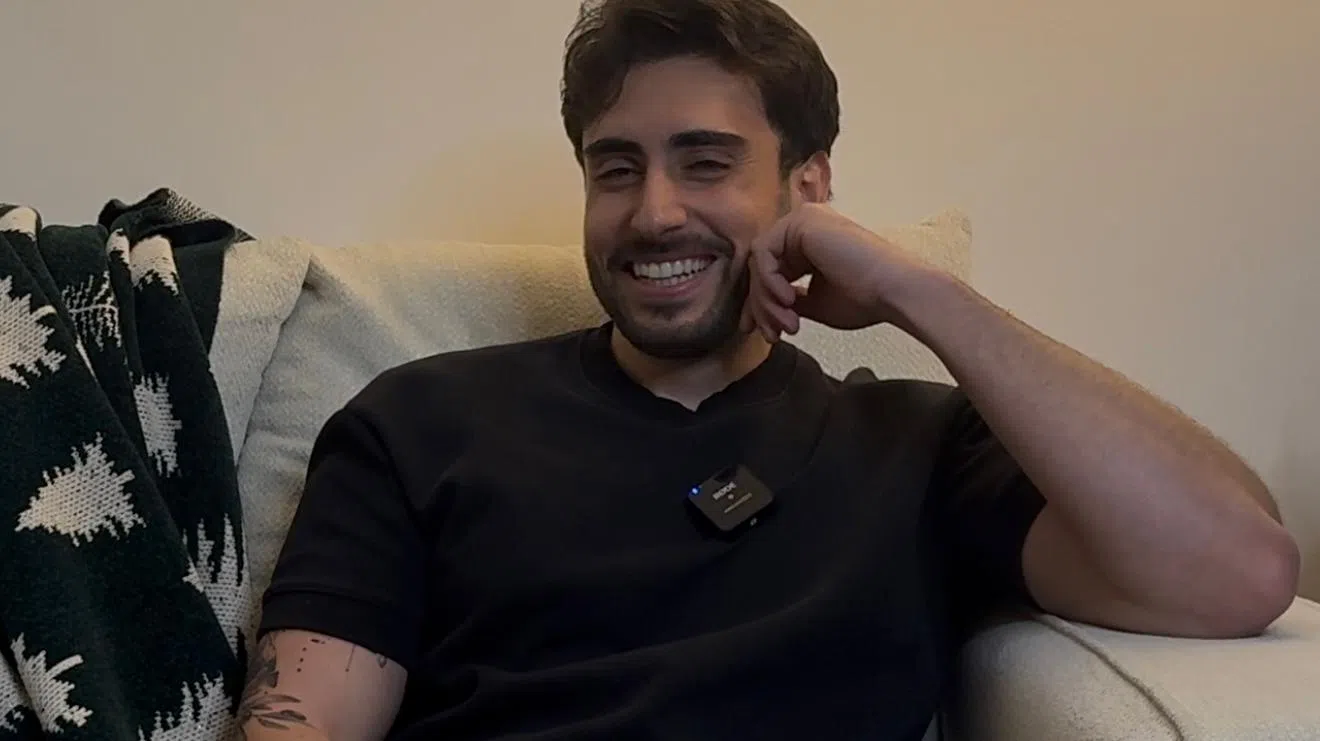
Michel Sakr, 26, a PhD candidate at Western University, has been living on his own for four years.
XFM Reporter Melissa Ghanoum
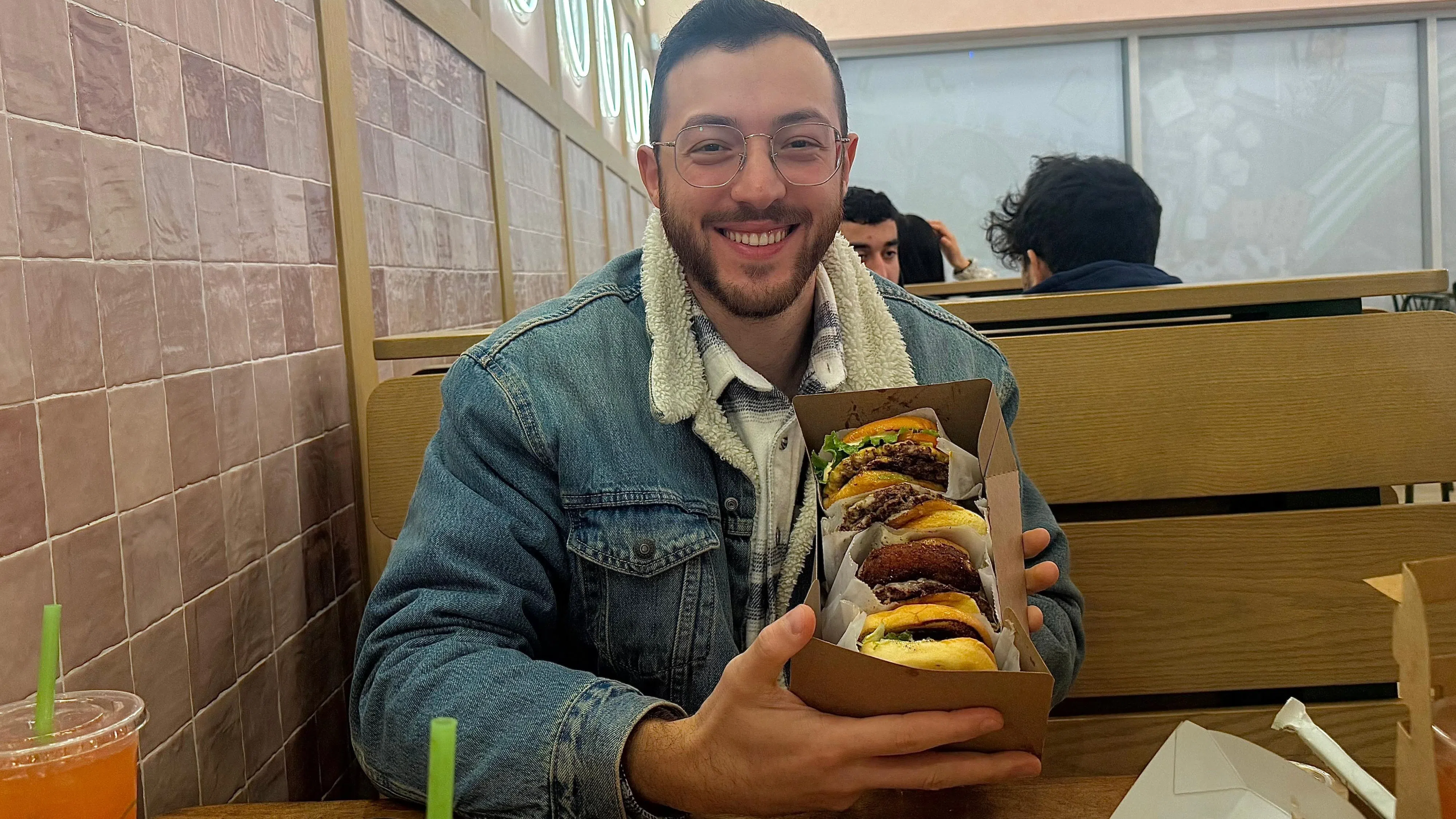
Wassef El Khawli, 25 Civil Engineer graduate XFM Reporter Melissa Ghanoum
Wassef El Khawli, a recent Western University graduate who left his home country five years ago, said living alone had a major impact on his personal growth.
“I became a very responsible person. I do my laundry, I prepare my food, and I pay my bills,” El Khawli said.
Living alone also brought many positives to his life. “It teaches you patience, not to nag, not to yap, and to always be thankful.” he added.
According to Psychology experts living independently can be one of the most powerful tools for personal development, forcing individuals to rely on themselves in ways they may not have before.

Chief Operating Officer (COO) of https://www.blueprynter.com/ Peter Anisimov XFM Reporter Melissa Ghanoum
For 20-year-old Peter Anisimov, who has been living alone for six months, moving out wasn’t a choice. Life circumstances pushed him into it.
“I didn’t want my parents to have the burden of taking care of me, so I left. My mom told me I can’t keep taking care of you forever, so that kind of switched my mindset into taking care of myself, ” Anisimov said.
The nights were the loneliest for him. “It’s hard sleeping when you feel alone and worried. Nobody’s there to tell you everything’s going to be alright.” he added.
That’s when Faith became his comfort.
“Whenever there’s Jesus by my side, I don’t feel lonely anymore.”
For all three, growth came from the tough times they had to go through alone, when nobody was there but themselves and their thoughts.
Research shows the human mind typically has more than 6,000 thoughts every day, and journaling is one way to turn those thoughts into self-awareness.

XFM Reporter Melissa Ghanoum
Loneliness vs Solitude
Loneliness, while painful, can become a turning point, according to London Ont. based life coach Sabine Hildebrandt.
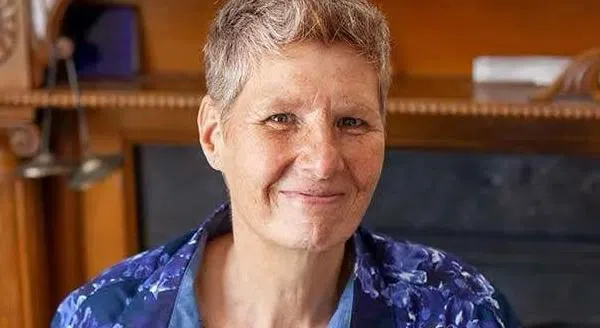
Sabine Hildebrandt, a London, Ont. based life coach who helps people break through emotional barriers and live authentically. Credit: Synergyinmotion
“When the discomfort becomes big enough, something inside you clicks and opens up,” Hildebrandt said.
She explained that being alone is not the same as feeling lonely, and that loneliness can happen anywhere, even when you’re with people.
“There’s a difference between loneliness and solitude,” she said.
“When you say ‘I am lonely’, it takes over. But when you say ‘loneliness is here’, it becomes something you can handle,” she added.
Tim Gard, a Hall of Fame speaker from the United States known for teaching resilience through humor, said perspective plays a major role in coping with difficult seasons. “You can’t always change what happens, but you can change how you see it,” Gard added.
He encourages people to avoid negative self-talk and to focus on hope.
Every day is a new chance for something good to happen
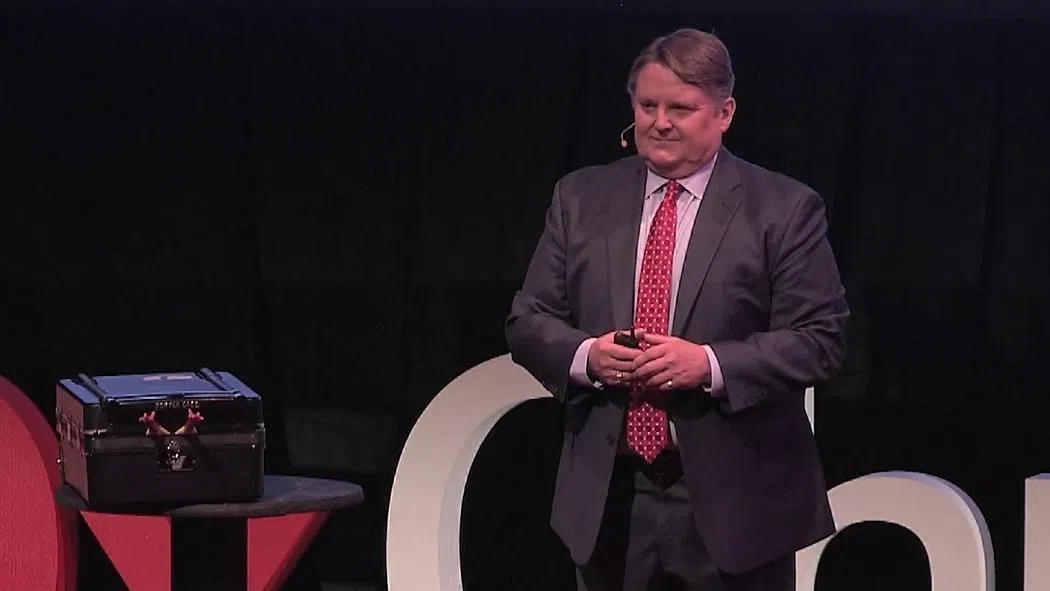
Tim Gard delivers his TEDx talk The Laughter Connection on Aug. 21, 2019, focusing on humor as a tool for resilience.
While living alone is often framed as freedom, those who experience it say the reality is deeper than independence. It’s about standing back up after every fall and discovering who they are when no one else is around.



