
A growing number of trans and nonbinary youths are finding it difficult to find foster homes according to the Children’s Aid Society of London and Middlesex.
Caitlin MacInnis, a foster care worker with Children’s Aid, says that the difficulty stems with not only some families outright rejecting them, but also by refusing to use their preferred pronouns or recognize their gender identity.
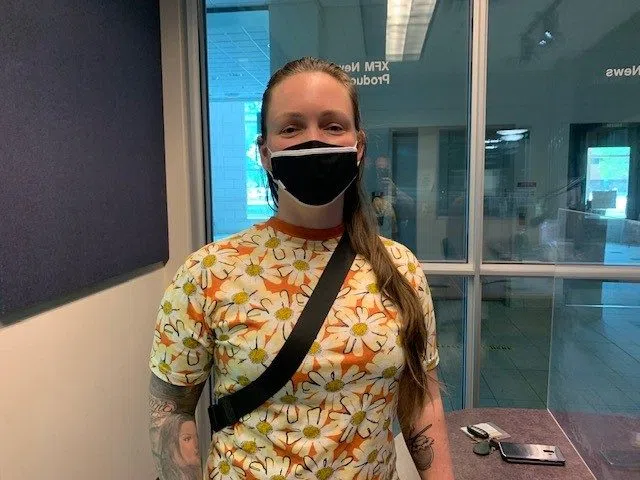
Caitlin MacInnis, CAS worker. (Mike Lacasse / XFM news)
There is also a vast preference among foster families to take in younger children and fewer homes available.
“This year we have 150 [foster homes] in comparison to 158 last year. Many do close just due to getting older and as a planned retirement. Many are not open to health risks because of COVID, for their own health or personal reasons. So more reluctance in taking in more children when you don’t know where they’ve been staying in the past few days,” says MacInnis.
There are also a disproportionately high number of Black and Indigenous youths in need of foster care as well.
The exact number of youth who are being affected isn’t clear provincewide, however it’s also an issue across all of North America.
There are also a lack of foster families who these youths can more easily identify with.
“Folks like us might just have some worry that although knowing it’s allowed to foster, you might worry how you might be handled in the system, or are the workers you’re going to meet along the way are going to be affirming, and non judgmental,” says MacInnis.
“I think there, very justly, is some hesitation by queer adults, black adults, or indigenous adults in working with our system as there has been a legacy of harm perpetuated on these communities by child welfare systems.”
For those who can’t find a foster family, and don’t have any other family they can go to, their only real option is a group home.




Comments