

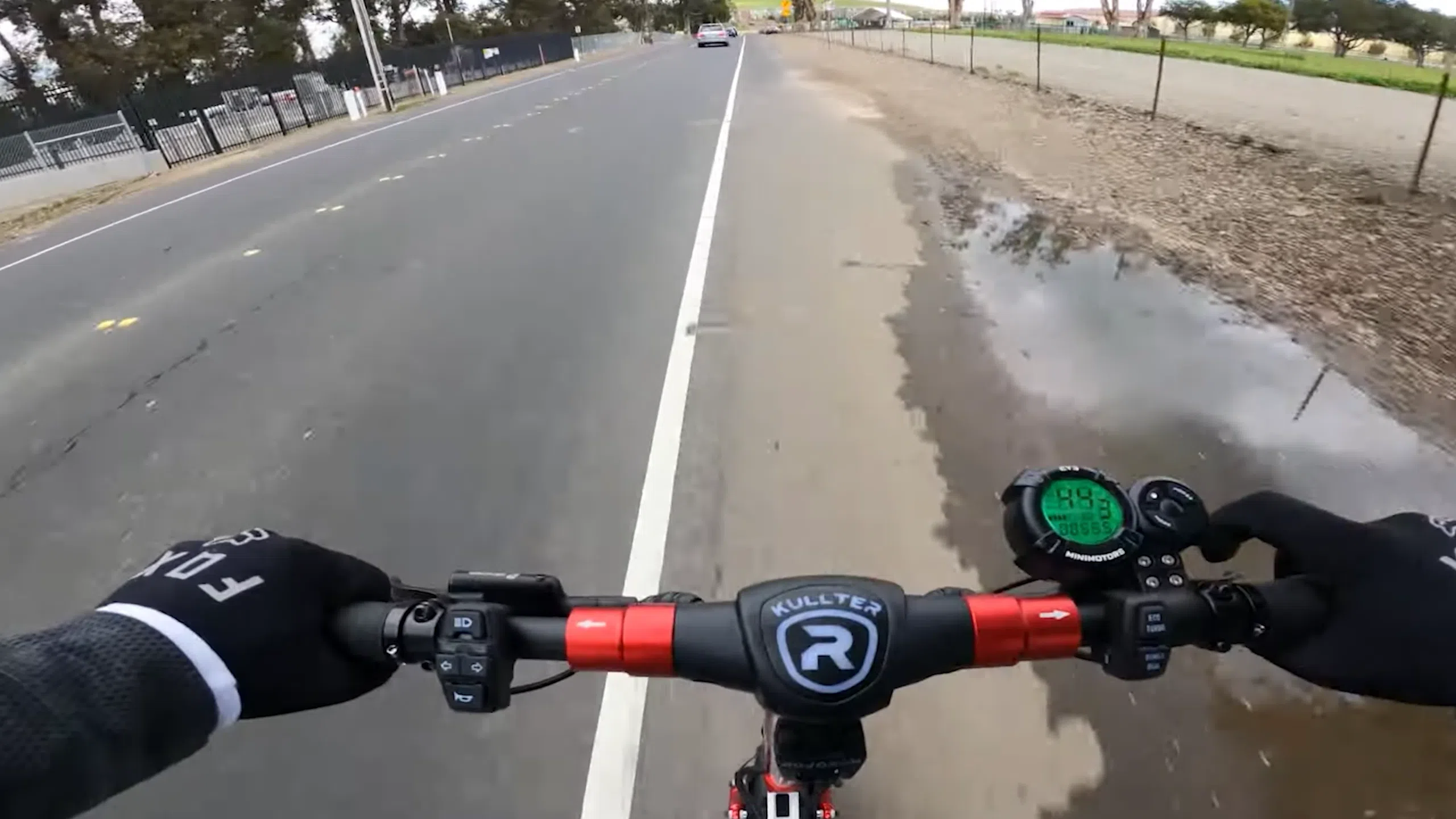
London city council narrowly voted 8-7 last week to extend the city’s e-scooter pilot program for six months. The decision keeps scooters on local streets while staff gather data on safety and usage.
Councillors emphasized that regulation of e-scooters falls under provincial jurisdiction. “This is a provincial responsibility,” said Councillor Corrine Rahaman. “I am not saying do away with them. I am saying let the province regulate this properly. E-scooters are completely different from cars. Anyone who knows me knows I am all about enforcement with vehicles. This is not about treating scooters differently from cars.”
Rahman noted that the city will continue monitoring complaints and safety issues. “People were being told the onus was on them to follow e-scooters home to make a complaint. That is too high a burden,” she said. The council will review a report in March and consider emergency room data before making a long-term decision.
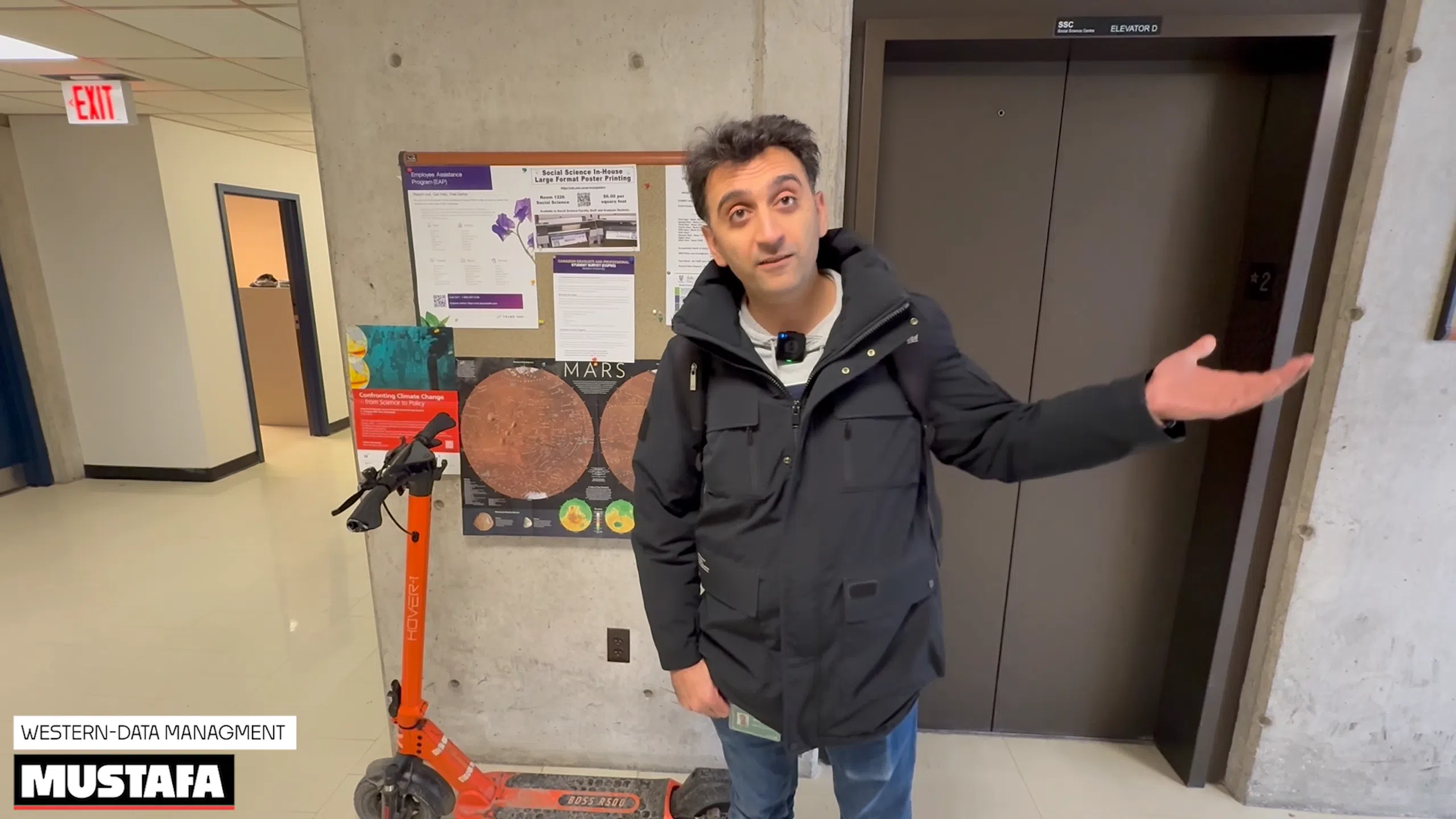
Western Studen Mustafa (Theodore Ramharack/XFM News)
Students and local residents say the scooters are a vital transportation option. Mustafa, a Western student who uses an e-scooter daily, said it is the easiest way to get across campus. “Campus is very large and it takes time to go from one class to another. An e-scooter makes that trip quick and safe. A little education and enforcement would solve most problems. Banning them would remove a key mobility option for students.”
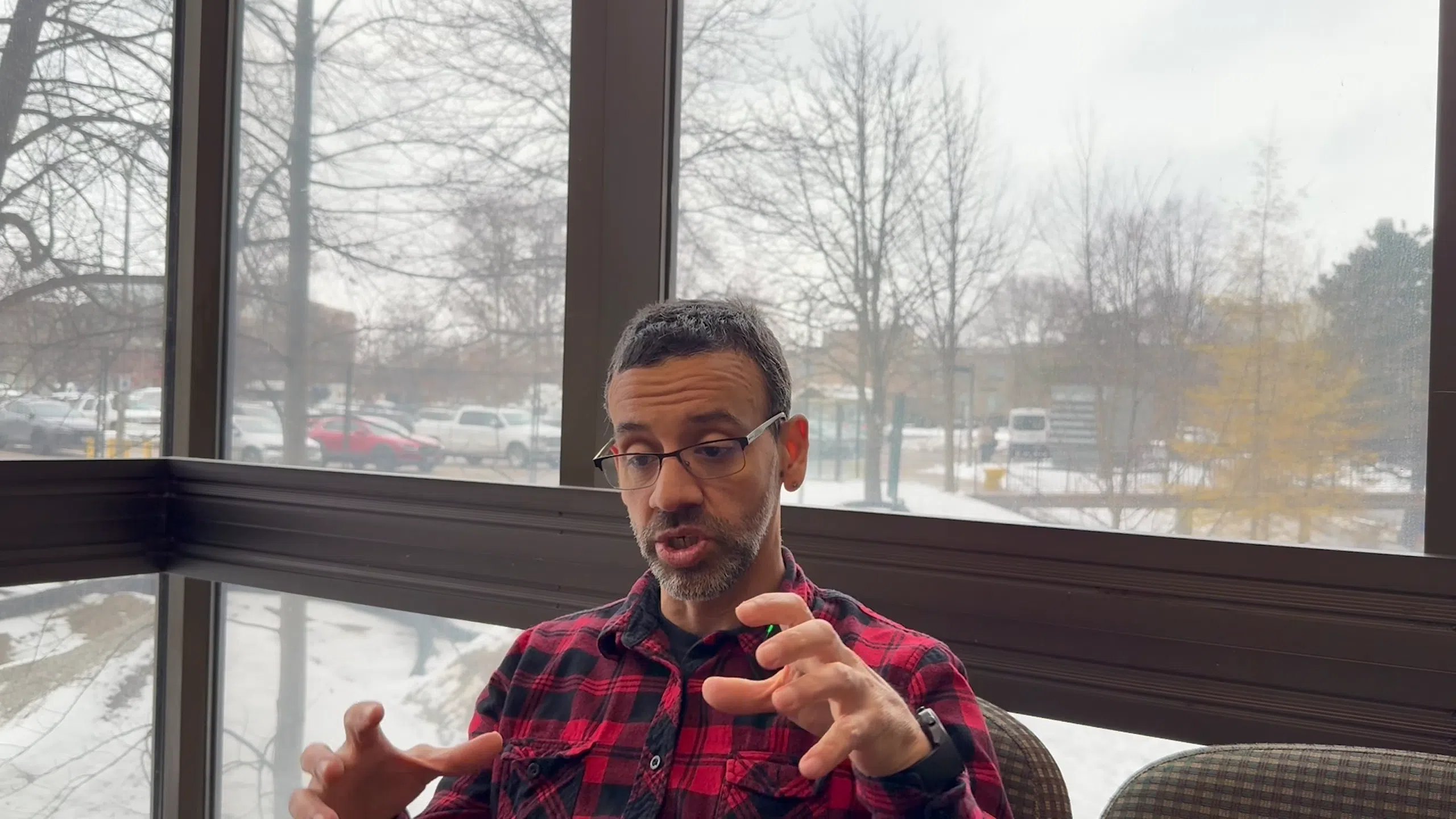
Luis Patricio (Theodore Ramharack/XFM News)
Urban League President Luis Patricio said ending the program could hurt people who rely on it. “Some families do not have access to a car. Some students cannot afford transit every day. If e-scooters are removed they will have fewer safe and reliable ways to get around. It is a mobility justice issue.” He added, “Council should consider who will lose out if the pilot ends. This is not just about complaints. It is about real people who need safe transportation every day.”
The six-month extension gives council time to review data and decide whether to end the pilot. In the meantime councillors and the public are watching closely and balancing safety concerns with the practical transportation needs of students and residents.



