

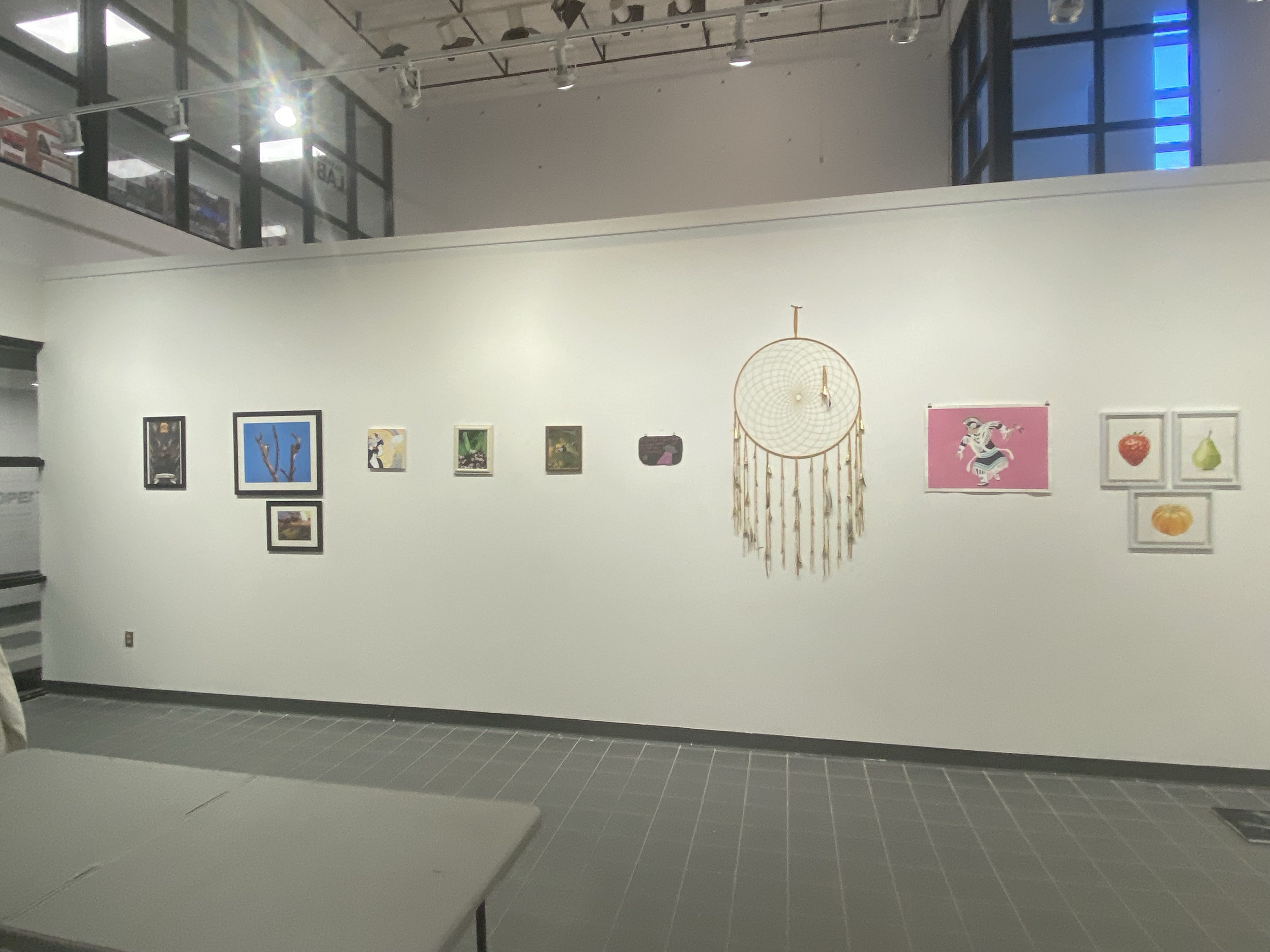
Fanshawe’s Institute of Indigenous learning has numerous activities prepared for Orange shirt day. These include an art gallery off art created by Indigenous students, as well as an artisan square to support local Indigenous businesses.Natalie Fletcher, the Manager of Indigenous Student Success at Fanshawe and a member of the Caldwell First Nation community, says that colleges were never originally meant to be a place where Indigenous people could learn, making it all the more important to raise awareness at Fanshawe.
“A place like a college wouldn’t allow you to speak your own language,” Fletcher said. “We weren’t allowed to celebrate the way that we used to, we really had to adapt to a new way of life
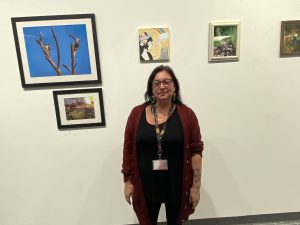
“Up until the 1920s, as part of the Indian Act, if a student or an Indigenous person sought higher education, they lost their status,” added Rochelle Smith, the Indigenous Recruiter and Community Relations Coordinator at Fanshawe from the Chippewas of the Thames First Nation. “If they would seek their higher education, they’d be considered assimilated, which means they lost their rights to their community and their culture.”
Orange shirt day was created to raise awareness of the horrors suffered by Indigenous children at Residential school, as enforced by the Indian act of 1876. While there are no more Residential schools open in Canada, there are still parts of the Indian act that Smith and Fletcher believe to still be discriminatory to Indigenous people.
“A lot of First Nations don’t have that ability to manage their own land,” said Smith. “But they can’t without the interference of the government.”
“The Indian Act gets to determine who is considered Indigenous in Canada,” said Fletcher. “Reservations were created, which separated people, and then status cards also created a further division of people from their communities.”
“(My mother) lost her status and therefore was not eligible to remain in the community, or to access the services that existed there for her.” she added.
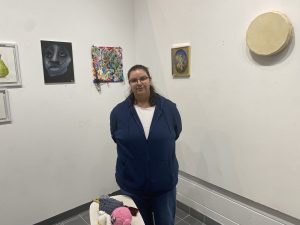
Both the art gallery and the artisan square both intend to raise awareness of the discrimination, both past and present, faced by First Nation individuals through artwork. According to Smith, art is a very important aspect of First Nation communities because it’s how the have historically told stories.
“When we tell stories, we depict it,” said Smith. “It’s also a way that we can show that we’re still here, and there’s a different way of believing that it’s not just written fact.”
Fletcher says that artwork is a way that Indigenous people can show pride in their culture ans their heritage. “I love supporting artisans who are doing the beading and the work that goes behind earrings, jewelry, and lots of artwork that we do,” she said. “There’s just so many cool things that highlight pride and that feeling of greatness and being an Indigenous person.”



