Iraqian Russul Alkaisi came to Canada 5 years ago. She is one of the many foreign-born Canadians who chose that her mother would always live in the same household with her.
“I think is part of our culture, religion maybe, but when we grew up, we saw our parents and how they looked after their parents. I can’t see my mom living in a nursing home, it would be very hard for me, no way,” says Londoner Russul Alkaisi.
According to statistics Canada, 9 per cent of foreign-born elders are more likely to live with at least one grandchild compared to Canadian-born counterparts with only being at 4 per cent.
Grandparents play an essential role in grandchildren’s lives. They support each other whether is emotionally, financially, or sharing household responsibilities.
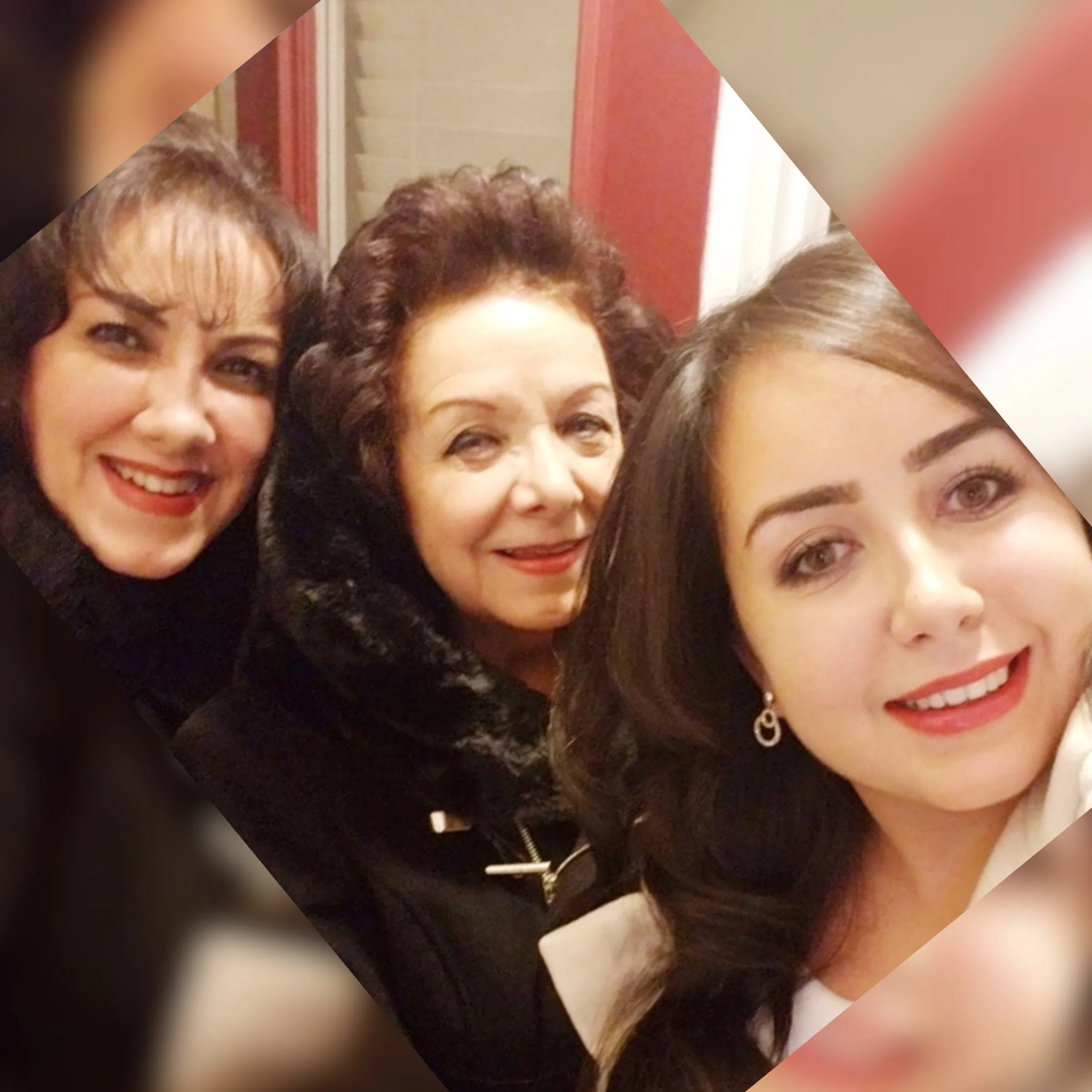 “I feel like both, my mom and my grandma, have raised me. My mom was the strict one, my grandma was more flexible. Some things I tell my mom, other things I shared only with my grandma. I just can’t imagine my life or living without them,” says Noor Alkaisi, Russul’s daughter.
This tradition is usual in the Middle East, Asia, and Latin america. Noor Alkaisi tells that in her culture, putting parents in a nursing home could almost be considered a moral crime, but her way of thinking has changed towards this subject.
“I think that retirement homes or nursing homes are there for a reason, and the reason is to help people. If someone has health issues, it will be better for them to live there. It doesn’t mean you don’t care, it means a professional is taking care of them and knows what to do.”
 Coordinator of the Gerontology program at Fanshawe college says that in these cultures, there is a perspective of honouring the elderly by keeping them living with the family. They wouldn’t even think of having their loved ones being in an institution.
“It’s a wonderful thing. However, it worries me that sometimes their care can become more complex and the family may not be able to provide what’s needed. Then, it is better to reach out for support.”



