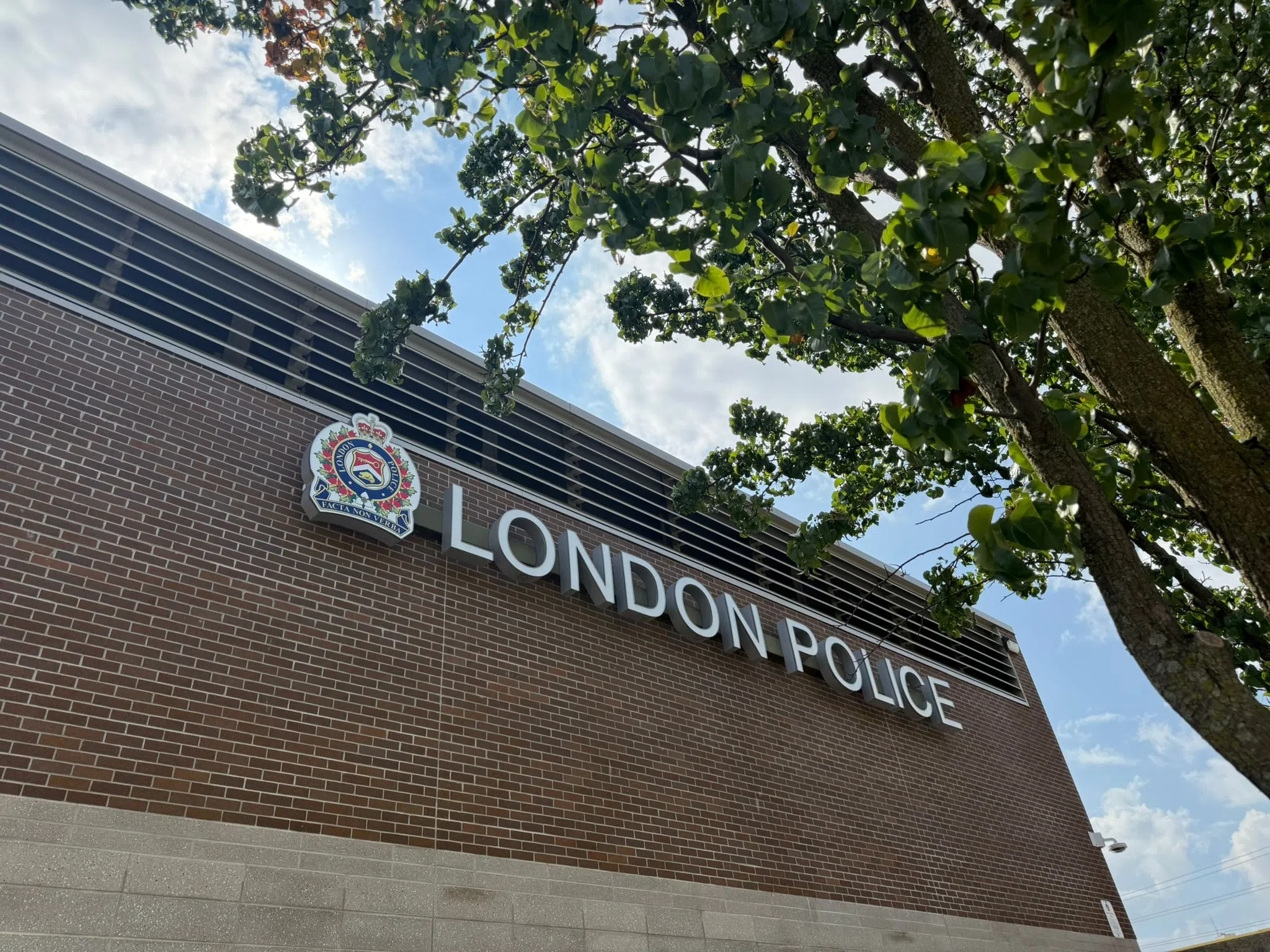
A new pilot project in London pairs police officers with registered nurses to provide on scene care for mental-health and substance-related crises.
The Nurse Police Response Team, launched in June by the London Police Service and London Health Sciences Centre (LHSC), began with just two shifts a week and now runs daily from 11 a.m. to 11 p.m.
During assigned shifts, a police officer partners with a registered nurse and a Canadian Mental Health Association worker to respond to mental-health and substance-related calls across the city.
Inspector Peter Testa said the team keeps both the public and medical staff safe.
”The number one benefit is that we are able to provide a safe environment for the registered nurses to provide medical assistance to members of our community and help keep them safe,” Testa said.
LHSC officials say the program is helping people who often avoid hospital care.
“We have a significant homeless population who very often choose not to come to our emergency department and also don’t have stable access to health care,” said Deborah Wiseman, vice-president of Medicine, Emergency Services, Critical Care, Clinical Neurological Sciences and Corporate Nursing Executive at LHSC. “We’ve been partners in something called the COAST program, which is a mental health crisis response team that has been out in the community supporting mental health crisis, as well as some addictions work. This feels like an extension of that. This team (NPRT) offers the opportunity for low-acuity health care where people are at, particularly those that have difficulty or choose not to access health care.”
Wiseman called the collaboration ”an exceptional opportunity for partnership and learning,” noting that nurses and police officers are sharing expertise as they work side by side.
As for what comes next, the program’s future will depend on results.
”I definitely think that we have to continue the work. Obviously, an expansion of the program would be lovely, but we’ll have to judge by the statistics and the matrix to determine whether or not the program is successful and to see how it’s being received from the public,” Testa said.
The initiative has already drawn positive feedback from those receiving care.
For the full Interviews check the links below.



