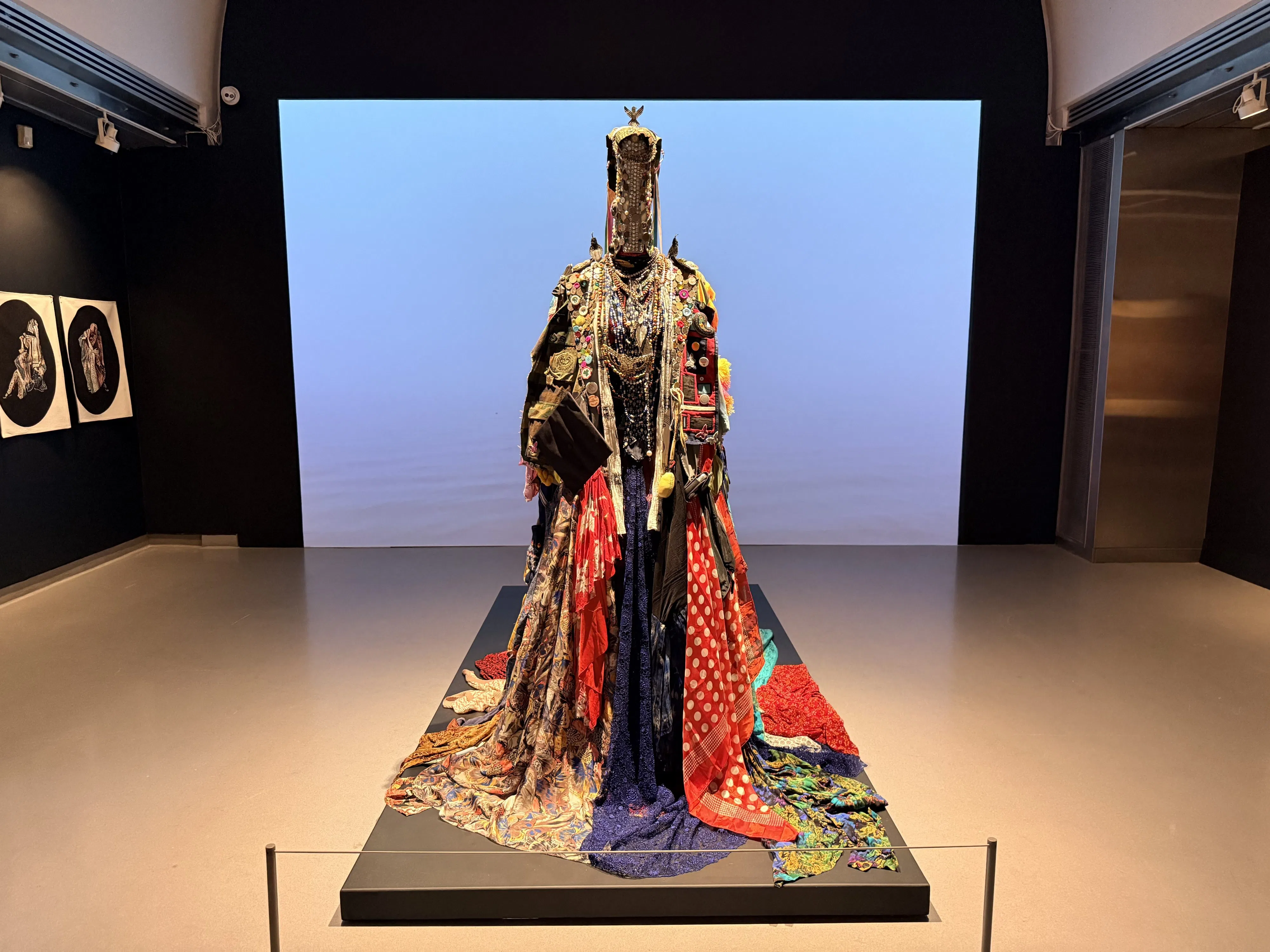
 What can old silver plates, wartime uniforms and tiny household boxes teach someone about a city? For a group of international students in London, Ontario, the answer came on Wednesday during a visit to the London Museum.
The trip, organized as part of International Week at Fanshawe College, gave students a chance to learn about the history of the city they now live in. For many, it was their first time visiting a Canadian museum.
London, Ontario, was founded in 1826 and was once an important military settlement because of its location between Toronto and Detroit. Over the years, it grew into a busy city known for education, health care, and manufacturing. The museum highlights different aspects of that journey, from early settlers and everyday family life to major events such as World War II and the COVID-19 pandemic.
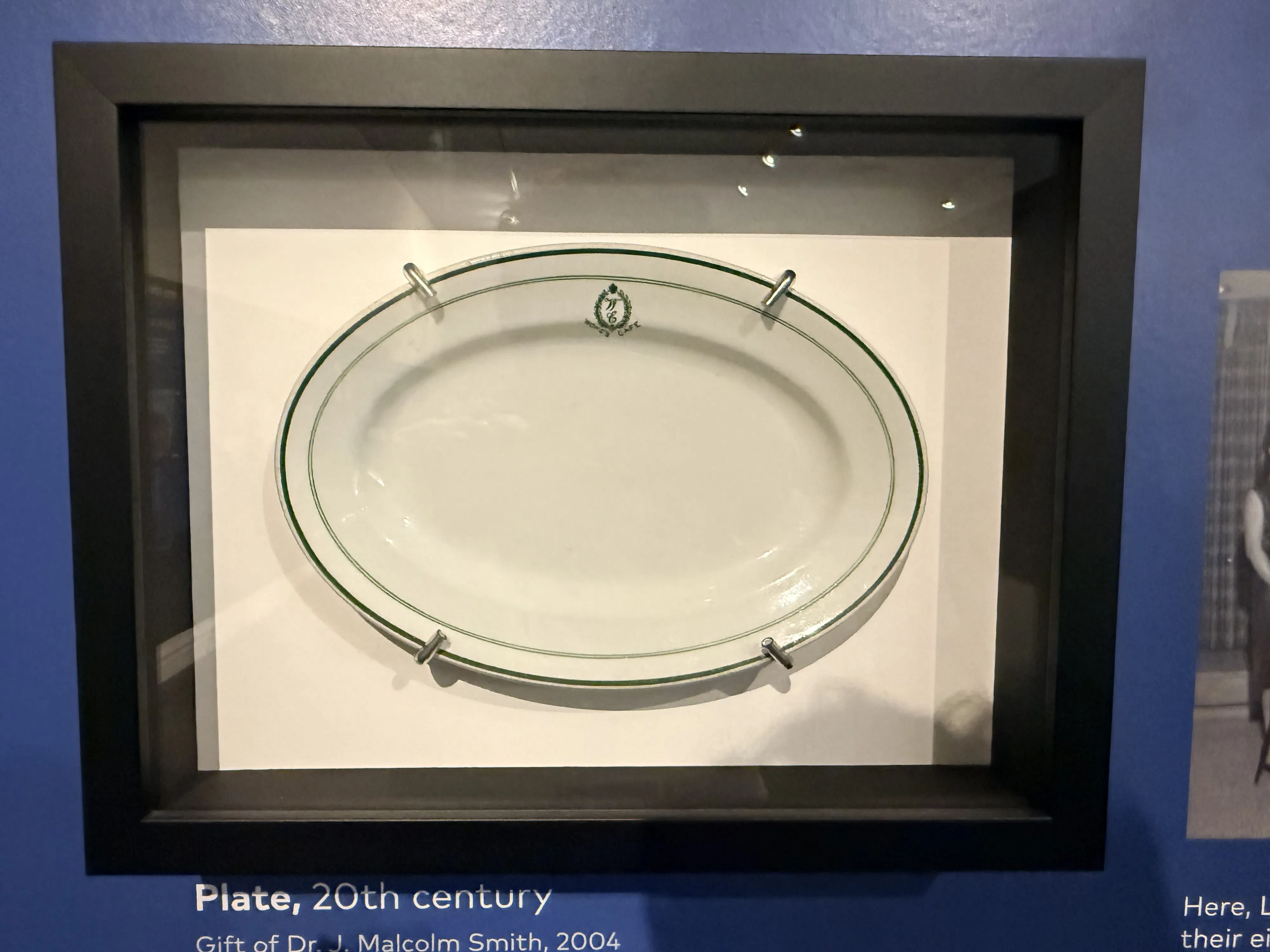
S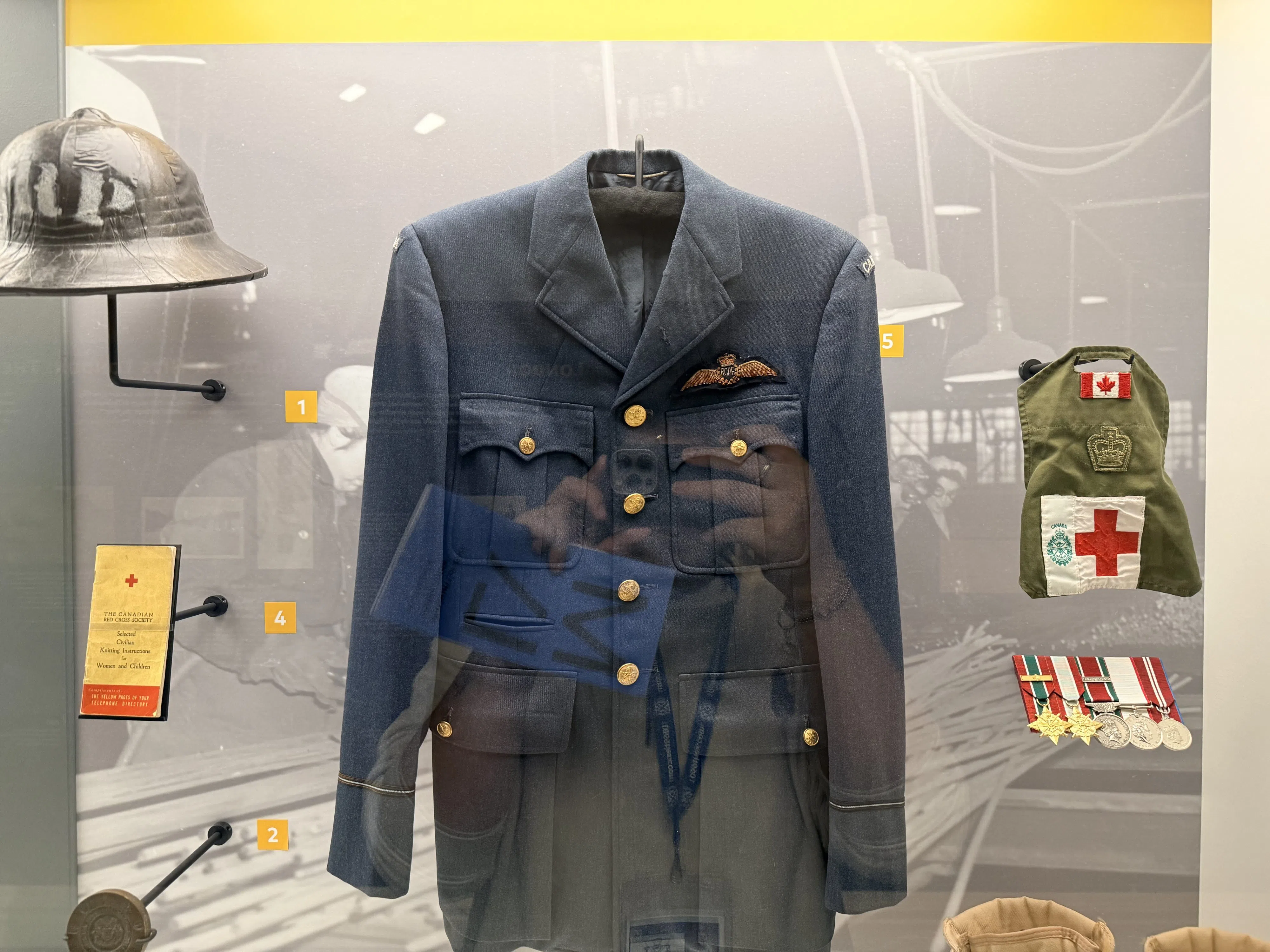 usila, a student from Nepal, said what touched her most was how even small, simple objects were preserved.
“In my country, museums mostly show how kings used to live and protect their crowns,” she said. “But here, even small containers and silver plates are preserved. Something doesn’t have to be very big to be memorable.”
She said seeing those items reminded her of her grandparents and showed her that Canadians care about preserving everyday history, not just royal or political stories.
Mario, a student from Colombia, said he was interested in how Canadians adapted to different challenges over time.
“I learned about the history of Canada and things that happened here in London,” he said. “The section about COVID-19 was interesting, and also the exhibits about World War II.”
He said seeing old clothing, skis and photographs from the 18th and 19th centuries helped him imagine how people lived nearly 200 years ago.
The visit was arranged by Laura Costigan, the International Projects and Exchanges Coordinator at Fanshawe College. She said many international students arrive in London without knowing much about the city.
 “The museum tells you about London’s history and also shows art from local and international artists,” she said. “It’s a great opportunity for students to explore something the city has to offer.”
Costigan believes these kinds of experiences should be shared more often, not just during orientation week, which can feel overwhelming for new students.
She also encouraged students to step outside their comfort zones.
“The most successful international students really put themselves out there,” she said. “They get involved in the community and take advantage of opportunities through the college and the city.”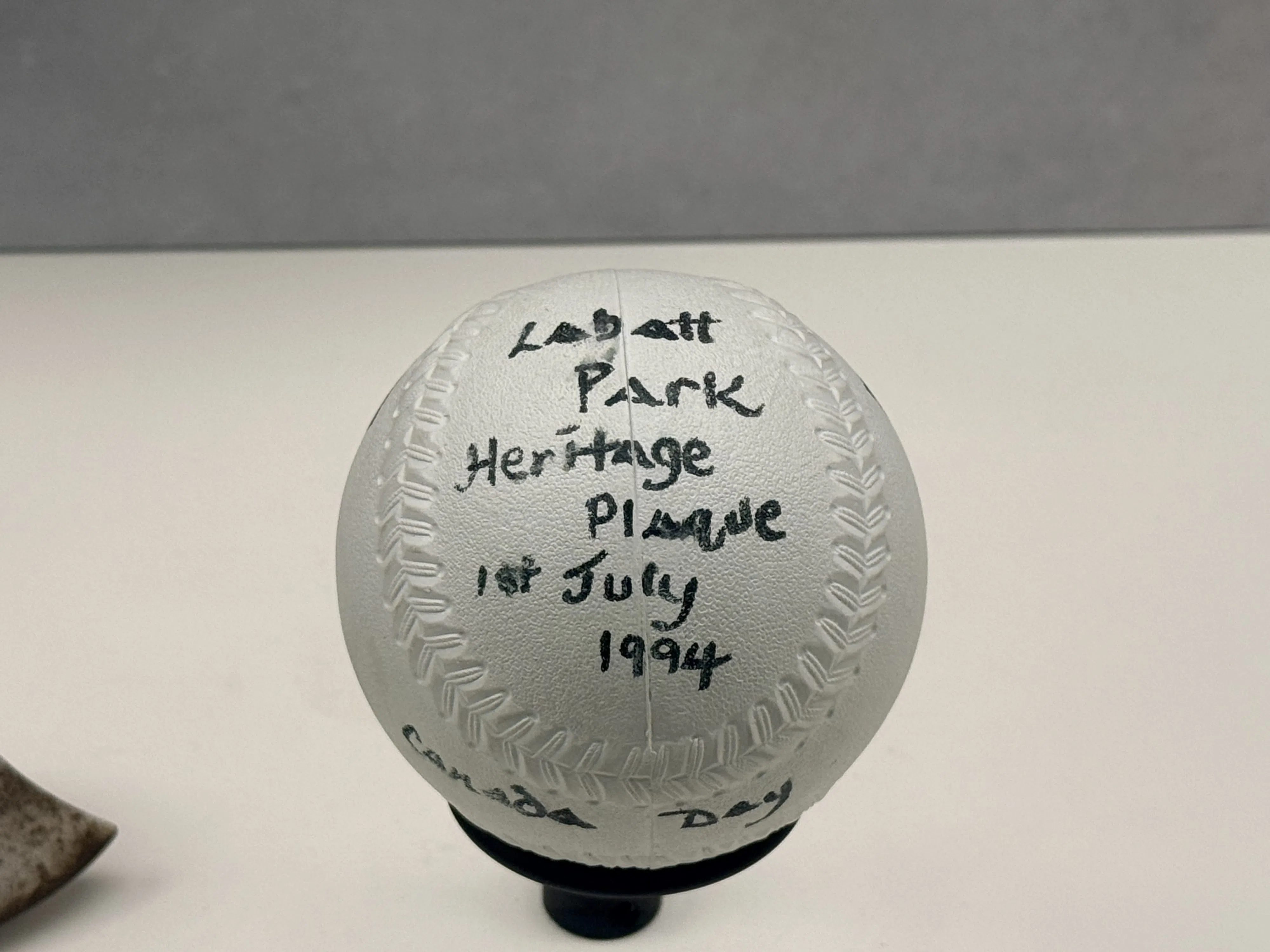
For the students who attended, the museum visit was more than just a field trip. It was a chance to connect their own stories with the story of London and to understand that history is not only about famous leaders or big events, but also about the small, everyday objects that tell us how people once lived.



