

On September 15th, London Police arrived to a call where they found a woman suffering from life-threatening injuries. Police arrested one individual at the scene, who was known to be in an intimate relationship with the victim.
Intimate partner violence continues to be an issue across the country. In 2025 the province of Ontario, including the city of London, declared intimate partner violence an epidemic. Detective Sergeant Micah Bordeau says women continue to represent the majority of victims in police-reported cases.
“We know many incidents go unreported. Addressing this issue requires a coordinated response, and we remain committed to working alongside our community partners … to better understand and respond to intimate partner violence and femicide.”
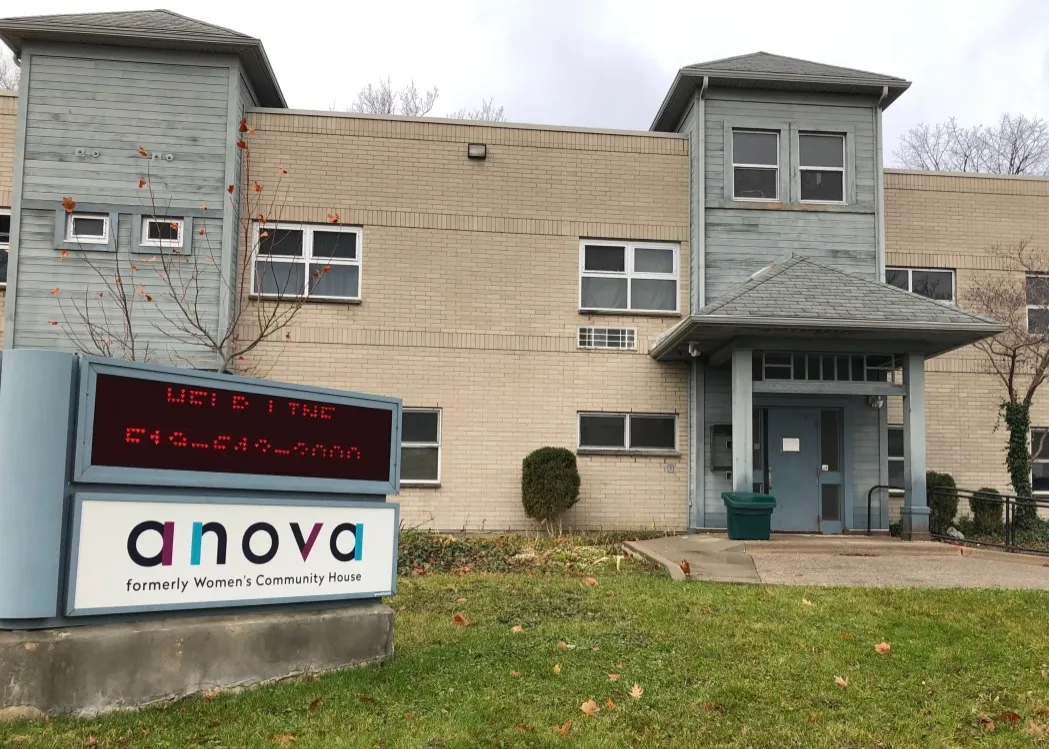
“It’s one of those times where it’s difficult to say if it’s on the rise,” said Jessie Rodger, Executive Director of Anova. The organization helps people struggling with intimate partner violence, an issue that Rodger says, comes from people’s lack of empathy.
“Bluntly, I don’t think we care enough about survivors of sexual assault, who are the majority of women and queer folk… Misogyny runs deep in our community, and in our country, and until we talk about prevention, how we use language, and socialize young people. It’s not a mystery, at least to me.”
Rodger went on to explain ways in which people can help those facing intimate partner violence. “The number one best thing that people can do is that when people tell you that they have been harmed, when they’ve been abused … the best thing to do is to believe them. Because that’s the scariest thing, is to tell someone that you trust, and they don’t believe you.”
While Anova deals with the victims of partner violence, other advocates tackle the source of that harm.
“I think it’s important to know that violence and abuse shows up in many different ways, and not everyone fully understands the behaviors that they are doing are harmful or abusive,” said Amiel Ostrander, Executive Director at Changing Ways, an organization that provides resources and services to people who have inflicted violence or abuse in relationships, both court mandated and voluntary.
Both organizations emphasized the importance of being proactive to prevent harm. “Whether it’s the person causing harm or the person being harmed, go in with curiosity and without judgement to have a deeper level of understanding if something is going on,” said Ostrander.
If you or a loved one are experiencing intimate partner violence, Anova’s crisis line can be reached at (519) 642-3000.
Changing Ways can be contacted at (519) 438-9869.



