

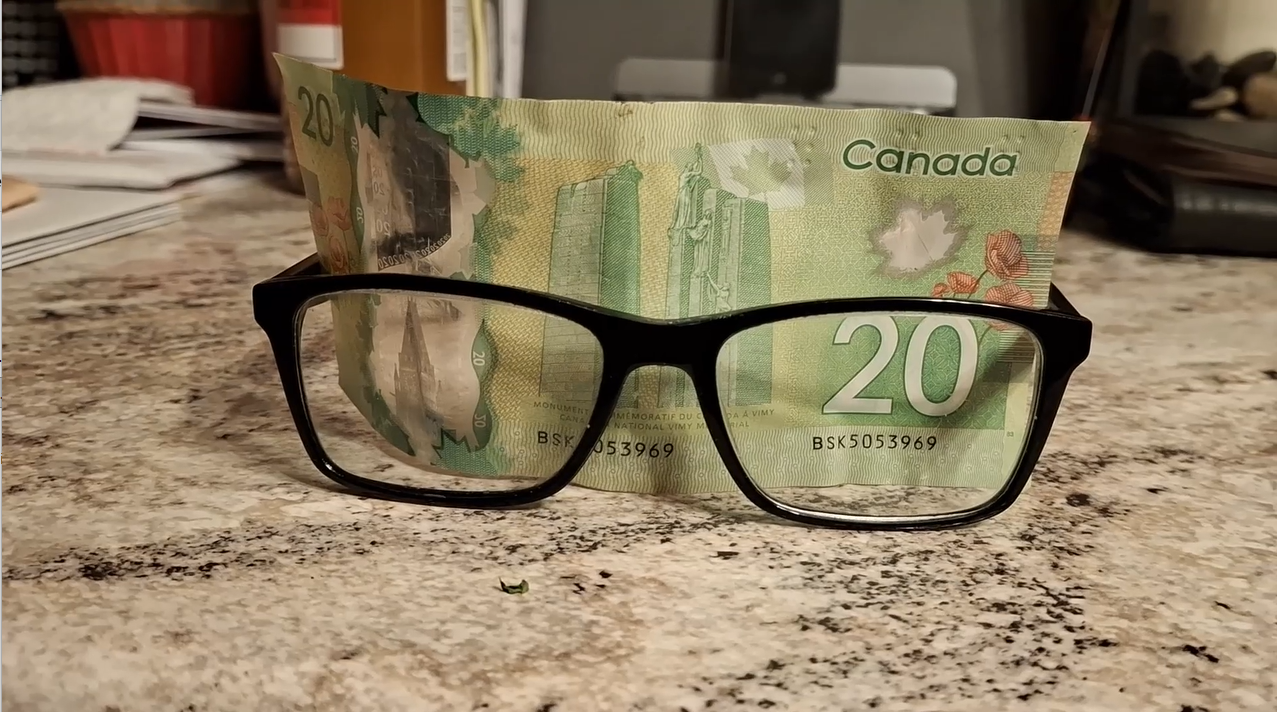
In Ontario, eye care has become a growing source of concern for people as the cost of living continues to rise, and while there are several ways to get assistance paying for eye care according to an optometrist, they are not always available or enough for some.
Across the province, prices for glasses and other eye care needs have proven to be high. The websites for multiple eye clinics in Woodstock, White Oaks, and other places in and around London list the cost of an eye exam at between $70 and $250. The cost of a pair of glasses also has a similar price, and the prescription lenses can be even higher.
“I remember [my mom] saying [my lenses cost] $400 or something for my glasses because I just have terrible eyesight,” said child and youth care student Sophia Sorge.
XFM News talked to students and staff in and around Fanshawe College, and many of their situations were similar.
“I used the benefits plan here at Fanshawe, and then of course I had to pay the difference,” said human resources and business professor Sherrice Lyons.
Most other people interviewed also said their eye care expenses were run through insurance or benefits, such as health systems management professor Sunil Godse, custodian Derek Stacey and business accounting student Gabriel Parsons. With it, the price of the glasses they wear was something they found manageable.
“Our union’s really good with that, it’s all prepaid,” said Stacey. “I just go fill out my name, everything’s taken care of.”
Not everyone interviewed was so fortunate, however. Maruen Ibrahim, a contractor at Fanshawe, said he lost the benefits he had through his previous job as a software engineer at TD when he said he was laid off without notice.
“I have been trying to go get new glasses, but I have not been able to because I have other priorities as payments,” he said.
Ibrahim currently wears a pair of reading glasses, after he said his prescription lenses were damaged in an accident.
“I’m not eligible for anything Ontario can help me [with],” he said. “So I have to think of ways to pay my bills.”
Most of the staff and students interviewed also said that if they didn’t have benefits or insurance, they would be concerned about being able to afford eye care as well.
Several of the staff and students also had opinions on what could be done to help people unable to afford eye care, most of which involved the province doing more to cover the cost. Stacey said that he believes that implementing something similar to the Canadian Dental Care Plan would be a good idea, while Ibrahim wished he could pay for his new glasses in installments.
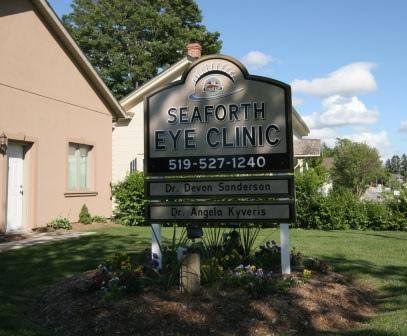
A sign in front of an eye clinic in Seaforth. Plans and benefits already exist to help Ontarians be able to afford eye care, but many believe there’s still more that could be done.
Source: Facebook
Dr. Devon Sanderson, an optometrist who operates a clinic located in Seaforth, believes that most clinics would embrace government-funded eye care plans, saying it would be another option for clinics to provide to patients.
Dr. Sanderson also provided insight on how people such as Ibrahim may be unable to qualify for assistance programs or benefits, saying that there is dialogue between the parties involved to try to help people fit within the parameters, though it isn’t always successful.
“I think it’s fair to say that insurance will never, ever give more than enough that you need,” he said. “There will always be some out-of-pocket expense.”
He also said that government assistance in expanding insurance would likely work to help people pay for eye care, but that he doesn’t believe it will happen, explaining that the province is hesitant to tell private insurance companies how to operate their businesses.
Even so, Dr. Sanderson pointed out that eye care coverage used to be more expansive before being ‘de-insured’ in November 2004, as well as that he believes that the impact of the cost of eye care on society would be enough to justify the provincial government expanding assistance and that he thinks change will come in the future.
“Our system for vision care is not perfect. It’s not bad, but it’s not perfect,” he said. “I do think that if you have a basis of something to work with … then as long as there’s communication between the public, the government and professionals like us … there’s always hope.”



