

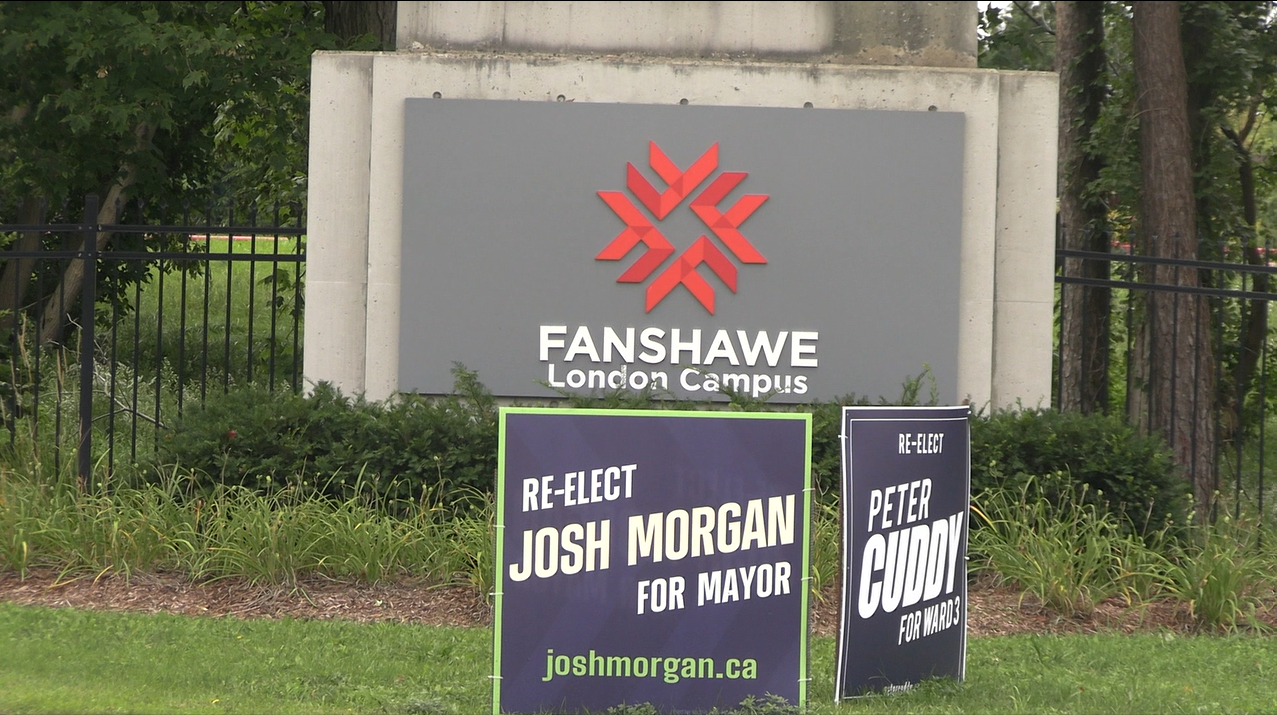
Researchers at Western University recently published the results of a recent survey of candidates running in municipal elections across Ontario, and with it came a variety of potential differences between candidates and voters that one candidate said he has seen for himself.
According to its media release, the survey was conducted by the Local Democracy Project at Western, and surveyed close to 900 candidates running in municipal elections across Ontario. The stated purpose of the survey was to learn what drives candidates in terms that included their campaigns, demographics and what they think about local politics.
“It’s actually a national project,” said political science professor and the survey’s co-lead Zachary Taylor. “The goal is to look for trends across the entire country.”
The media release stated that the project has just sent out surveys to B.C., which is undergoing snap elections.
Because of the broad scope of the survey, finding data points about specific regions can be difficult. Taylor said that while the survey’s results may not be able to determine how London can deal problems like its lack of youth voter engagement, he believes it is linked to how candidates wage their campaigns, which the survey does examine.
However, Ward 12 candidate and Western student Ribal Zebian believes that the differences between candidates and the voting public can reflect on who tries to run in elections.
“When it’s … very hard to get by, you won’t really find the average voter going in,” he said. “You’ll find someone who doesn’t really represent them.”
Taylor said the survey data he collected showed that plenty of people are already showing up to run for elections, and that the barriers for running are very low.
“In the vast majority of races you have 2, 3, 4 candidates running, so I suppose that means things are working,” he said.
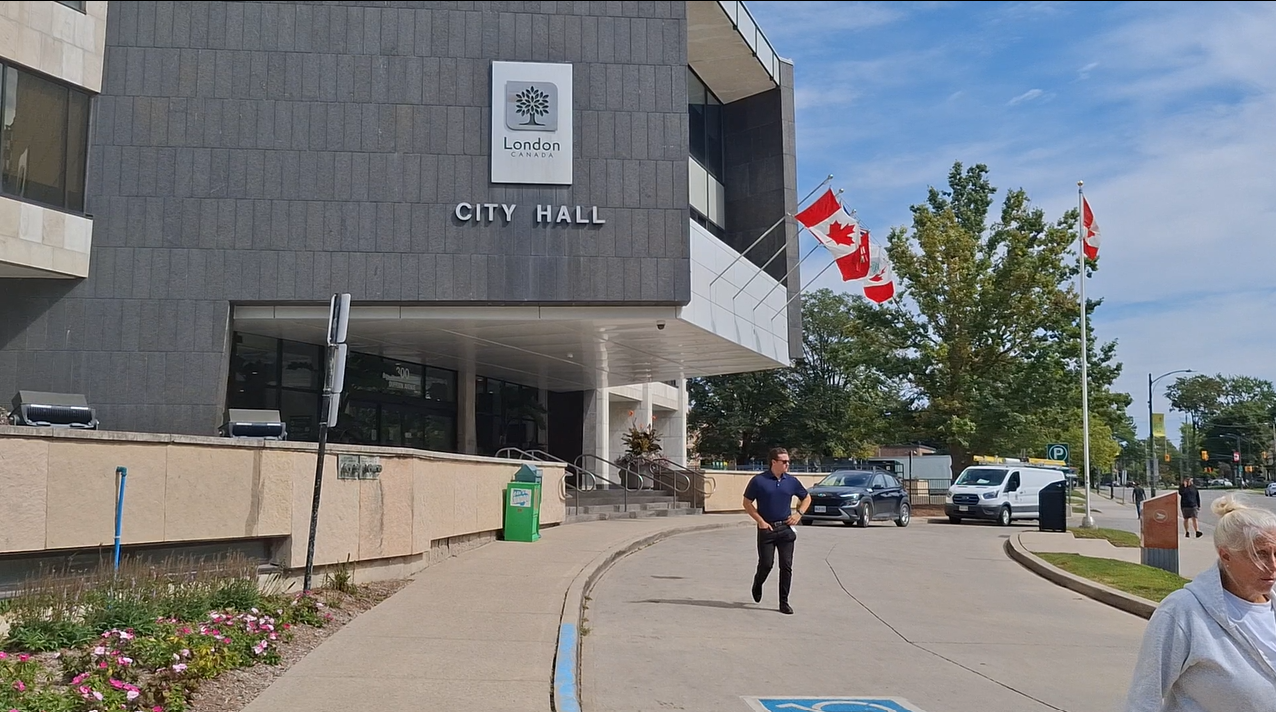
London City Hall. The survey conducted by Western researchers seems to point to financial and age differences between municipal politicians and the voting public.
Photo by: Curtis Stokman
The survey also speaks to how money can be a barrier in municipal politics. The survey results showed that the average Ontario candidate has a yearly income over $100,000, that the average cost of a campaign is $2,600 and that campaigns are mostly self-funded.
“As places get bigger, the game changes,” said Taylor. “It is true that the people who run for office are generally better off financially … than the public they would seek to represent.”
Zebian said he has seen financial obstacles reflected in campaigns around Ward 5, where Western is located.
“They’re spending significantly beyond [$2,600],” he said. “When you look and you see some of the candidates … they have a lot more resources and a lot more to take advantage of.”
Money is only one characteristic of what the survey found was a part of the average candidate. It also found that the average age of candidates was 56, they are mostly men, they have a university degree and they own a home.
“There’s lots of examples of people in their late teens and 20s running for office and they often get picked up in the media because they’re such a novelty,” said Taylor.
Zebian, who is 19 years old, sees this for himself as well.
“If you look at the current mayor, you look at some of the councilors … [they are] in the age of 40s, 50s, have a degree whether it’s a bachelor’s or a master’s, they have an established career, all those types of things,” he said.
At the same time, Zebian believes he’s seeing a change in some of the survey’s averages. He says as well that candidates with less money may try to engage more directly with voters by knocking on doors and exchanging ideas, and that even if they don’t win their first election they can build a strong voter base for the future.
“You’ll see candidates who don’t have too too much, but they’ll still get themselves in,” he said. “And as we’re going through the years we’re seeing more people just getting themselves together, getting a little bit more brave … and eventually that leads you a very long way.”



