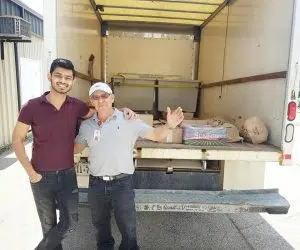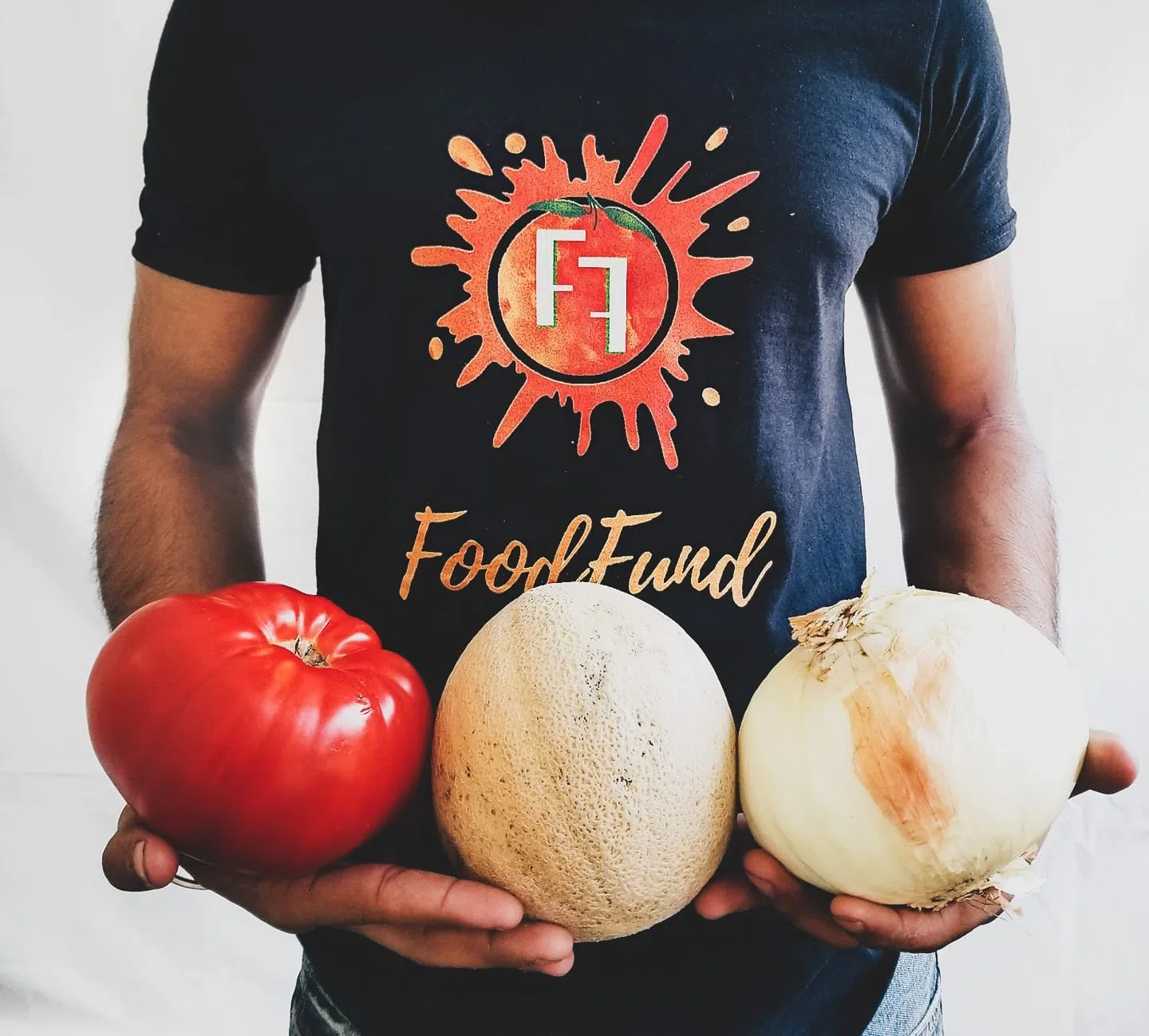
FoodFund has been able to rescue 400,000 pounds of food designated to dumpsters in over a year and half.
“About 47% of food grown in farms never makes it to the grocery store,” says 20 year-old Divyansh Ojha, Founder of FoodFund, “there are lots of reasons as to why food is wasted. Sometimes, it’s imperfection -appearance- or the odd case of a surplus.”
From seeing how a major food retailer in London was dumping a crazy amount of food and Canadians struggling to purchase a proper meal, Ojha felt the extreme need to reduce food waste.
“We are not a produce delivery service, we are part of a community that aims to tackle food waste. We are ready to try and recover as much food as we can.”
He encourages people to start a conversation and not judge the book by its cover. “We still see that apple with a lump and we might not like it because it might not be as beautiful. Then we think it has to be part of quality standard, but it’s just not.”
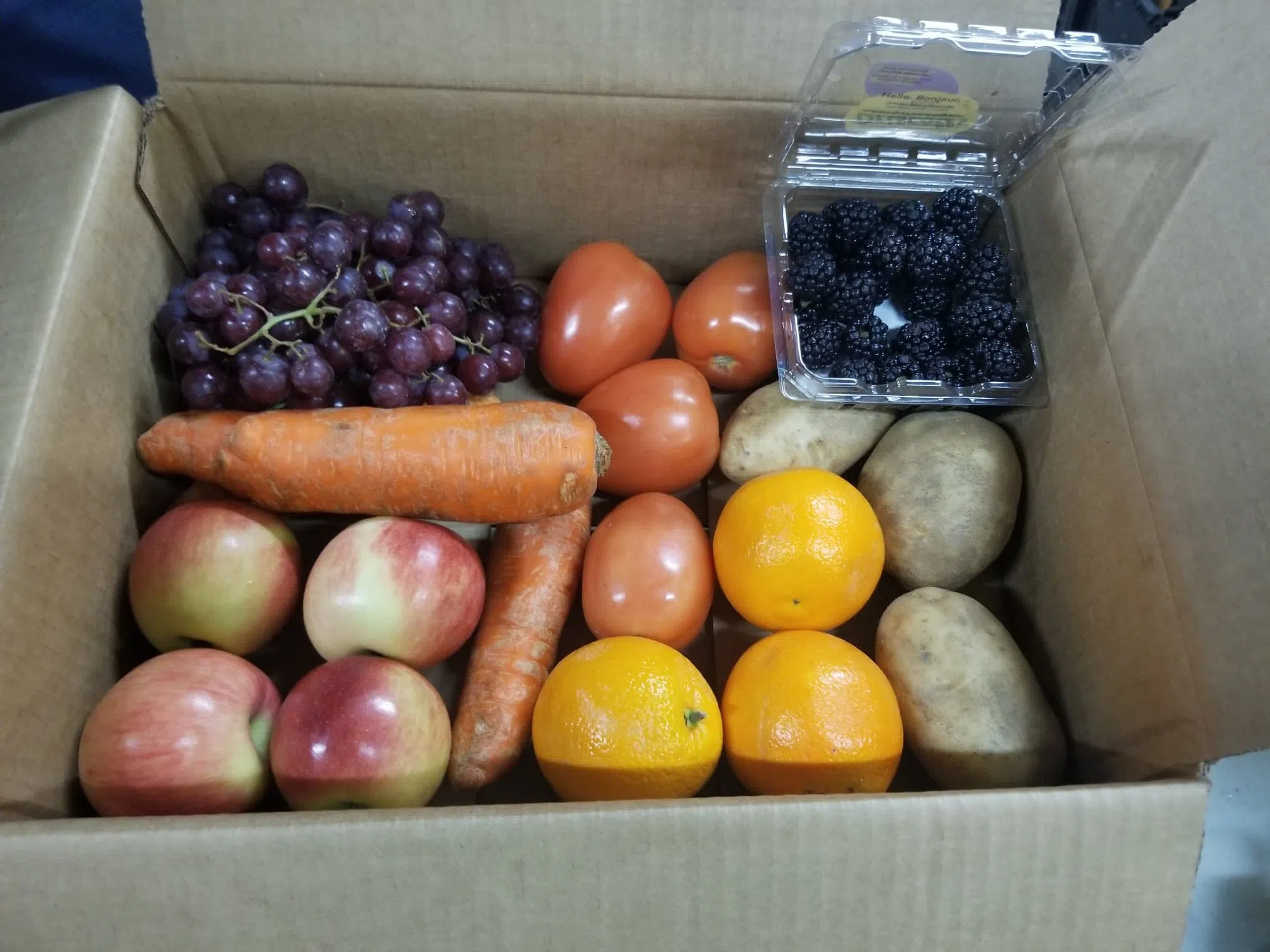
Mix signature, fruits and veggies
The imperfect produce delivery service operates in a subscription based model. Consumers can customize or choose the box that best fits their lifestyle.
The price of the box ranges from $10 to $30 and there is not delivery free. People can receive their fruits and veggies in a box, once a week in most of Southwestern Ontario.
Ojha’s story: It all started at Ivey

“It’s been a great experience trying to learn business and then apply business.”
When Ojha was a first year student at Western University, he already knew the issue of food waste, but felt hopeless.
His continuous research and potential solutions pushed him to break out of his comfort zone and with his family’s help, FoodFund was born.
“Often times you go months or years thinking: ‘when am I going to use this?.’
“I have to give a lot of credit to Ivey education for providing the platform that produces not only business ideas, but encourages students take the risk and start something that hopefully helps the people, the planet, and the profits.”
He also encourages everyone, who has a passion or business idea, to always remember 3 essential keys:
- “There is no perfect time to start a business.”
- “Listen to your costumers. It’s so simple, but so important. The costumers are who are going to drive your business; listen and adapt to them.”
- “Find conventional ways of doing conventional things. When I started, I didn’t have a budget for marketing. Sharing on Facebook groups works well and it’s free.”