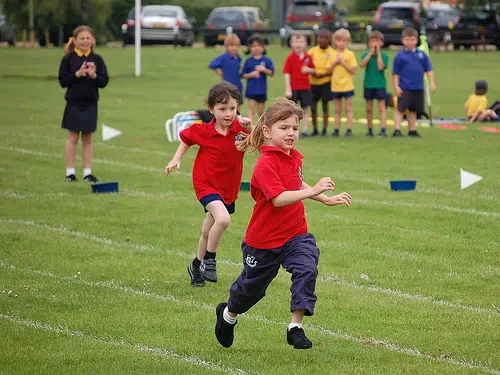
The conversations around anti-bullying have become popular among the 21 century. Throughout time, the term bullying has been ever evolving, and can be applied to differing topics.

Thinkstockphotos.com
Bullying in sports is often excused as competitive behaviour. Athletics who are subjected to bullying often lose concentration, ability to preform, appear anxious or end up quitting sports and competitions altogether
Although there are studies proving benefits of competition, there is a distinct difference between an ambitious attitude and bullying. Bullying in sports is most dominant in forms of verbal bullying, although physical bullying also exists.
Healthy competition can co-exist in sports by creating personal goals with motivation to improve and outshine fellow competitors. When teammates intentionally hurt others emotionally or physically, it’s considered bullying.
Bullying is common in sports when someone feels threatened by another teammate’s talent, or they feel as if the teammate is not worthy to be apart of the same league. Jessica Hohenadel who spent her teen years dancing competitively, explains how she dealt with bullying first hand.
“She’d always call me names, or give me dirty looks, one day she came up to me and said that I don’t deserve to be dancing at the studio, that I’m ugly, and I don’t deserve to be in the show.”
Hohenadel self-assured that if she saw someone getting bullied, she wouldn’t be a bystander; her perspective on bullying has changed since her personal experience.
London has managed to start a community-wide movement in attempt to stop bullying and raise awareness. The Pledge hopes to set a tone for generations to come and put an end to bullying.



