Many parents still debate whether they should sign up their little ones for swimming lessons. However, studies have shown that interacting with water at a young age improves cognitive functioning, confidence, appetite, sleep, builds muscle and, of course, reduces the risk of drowning.
Londoner Berrin Massazade shares her story why she put her daughter in swimming lessons when she was only 2 years old.
“To learn how to swim and so that way she is more confident. Now, I don’t have to go in the water with her. She’s there in the class by herself with the teacher and other kids.”
Physiologists believe young swimmers grow more independent and more comfortable in social situations than non-swimmers. Massazade adds that she used to worry a lot when Nyla, her daughter, had to learn swimming by herself.
“Instructors take them to the deep end and I wanted to follow them to make sure they didn’t lose her, 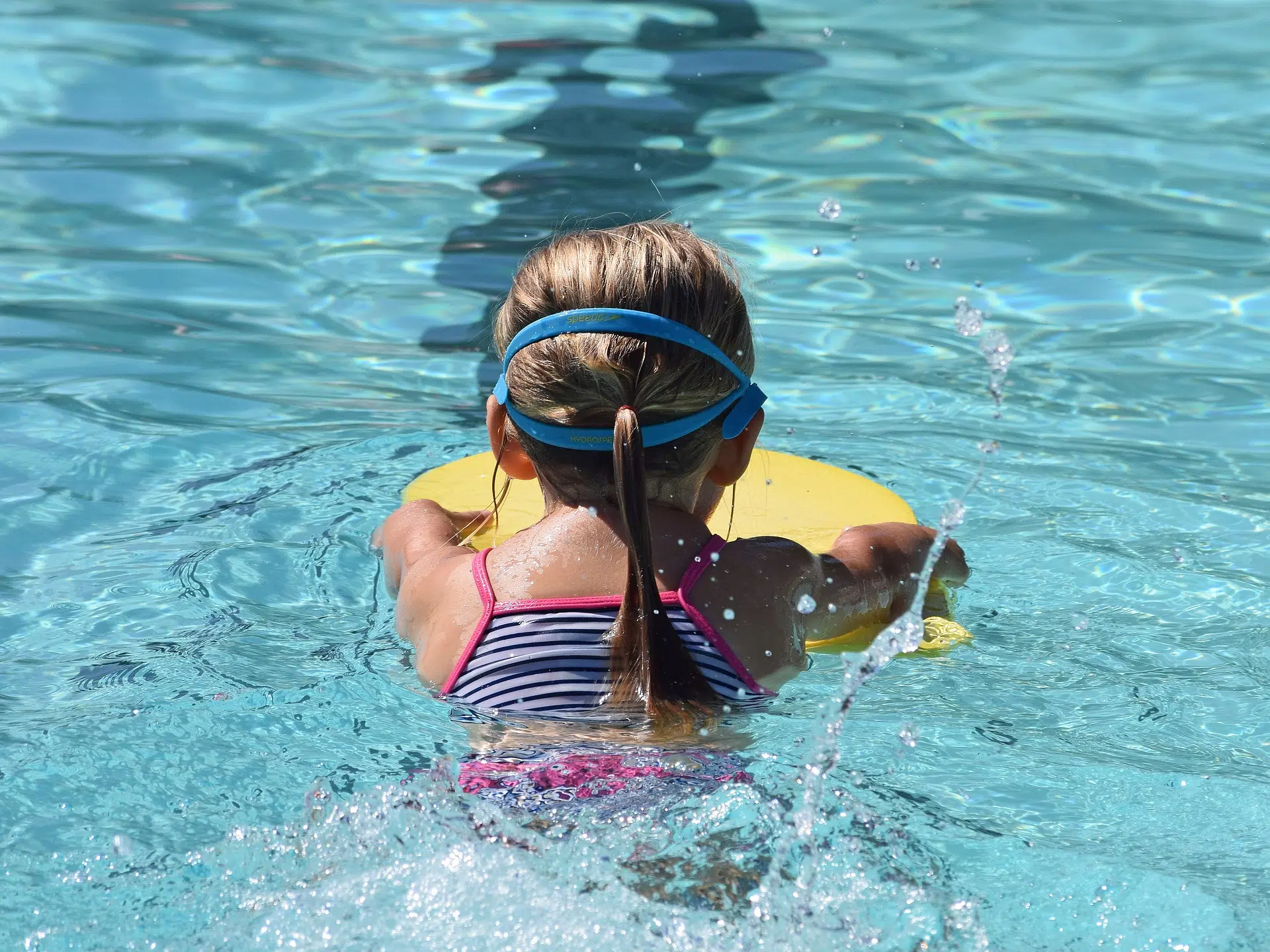 but I think parents should bring their kids so they learn about water safety.”
Kim Taylor, Supervisor at the London Aquatic Centre says children who know how to swim have greater self-discipline because they learn to respect the rules of the water.
“Swimming is a life skill. In case they were out on a dock by water, or on ice and if that were to break and they were to fall in, then a child would know what to do.”
She adds that during the half an hour lesson, children learn to always swim with a buddy, only swim if parents are present, and the use of life jackets and other objects to keep themselves safe nearby a body of water.
Doctors usually recommend that parents keep their children out of the chlorinated water until about 4 to 6 months old. This is because of their delicate immune system and skin.



