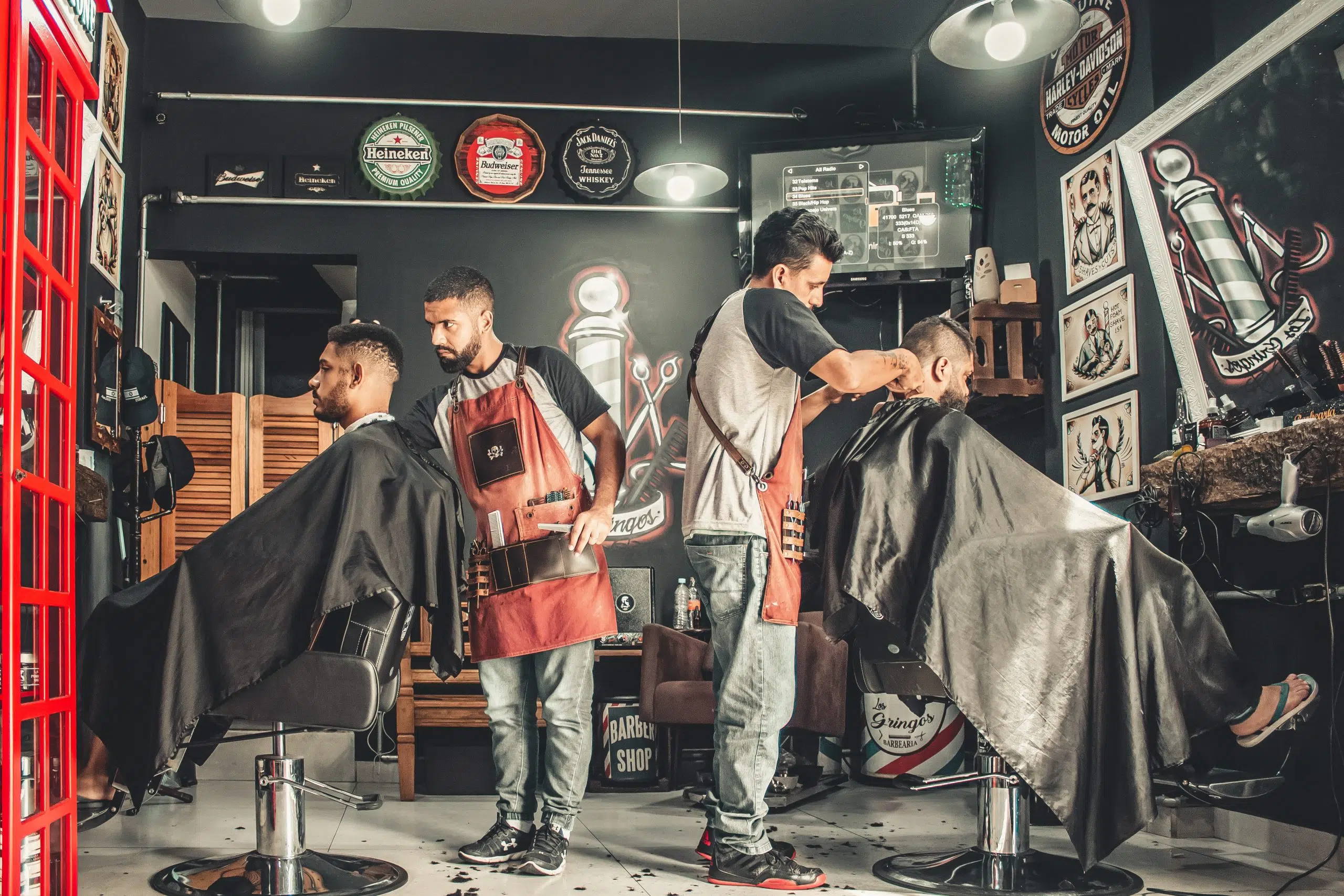
Hairdressing and hair-styling is a tough job to do during a worldwide pandemic.
Hairdressers around Canada are finding ways to adapt and evolve so they can continue doing what they love; changing hairstyles, and delivering haircuts.
For some, hairdressing is 1 of the multiple jobs they have on the go; some people work as self-employed from in-home salons, and some hairdressers are happily employed at current up-and-running hair salons and barber shops.
Excluding salon owners and managers, around 250,000 people work in hairdressing, barbering, and beauty. 54% of the workers in the industry are self-employed. Deanna Almond is a self-employed hairstylist with years of experience working from her in-home salon, but she sees positives to working in a commercial salon.
“I think it’s easier to go work for somebody in a salon- it’s a lot easier actually. You just go, you work, then you go home. So you don’t have the cleaning, the upkeep, the constant buying of products like shampoo and colouring. All those expenses, they do add up quite a bit.”
Working in a salon is no easy task either- it takes a lot of hard work to even be allowed to work and operate in one. Hairdressing apprentice Makenna Bos talks about the tough path she’s had to take to be able to pursue her dream of hair-styling.
“I’m almost done my apprenticeship, I should be able to get my license in a few months. I’ve had to complete 2000 hours of work in the salon to be able to get my license, and I went to school and got a 2-year degree in hair-styling.”
All the hard work is worth it in the end, as Makenna says the final result is what makes it all worth it.
“Being able to see people walk out really happy and loving their hair, and getting to show it off and thinking ‘I did that’. It’s all my own work, and I get to show it off to people.”
It seems hairdressing is an industry that will simply never fade; as everybody has hair that needs cutting at some point, but not everybody has the thousands of hours to learn how to do it.




Comments