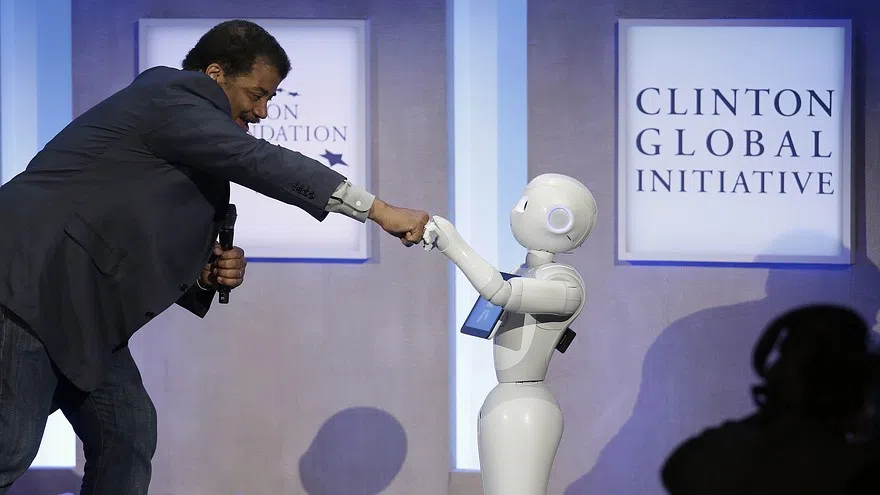
Robots and machines are becoming a big part of our world, and they are starting to replace many jobs people used to do. The first jobs being taken over are simple and repetitive ones. For example, in insurance, a computer can look at all the options, compare them, and quickly find the best plan. A human worker would take much longer to do that task.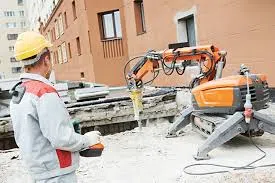
Robots are also moving into physical jobs. On construction sites, they help carry heavy loads and do dangerous work, which makes things safer for people. In food factories, machines now pack cans and boxes much faster than humans. Even in stores, robots are stocking shelves and helping with takeout orders.
Office jobs are also at risk. Tasks like data entry, paperwork, and scheduling can now be handled by artificial intelligence. These white-collar jobs were once considered safe, but computers can do them faster and without breaks.
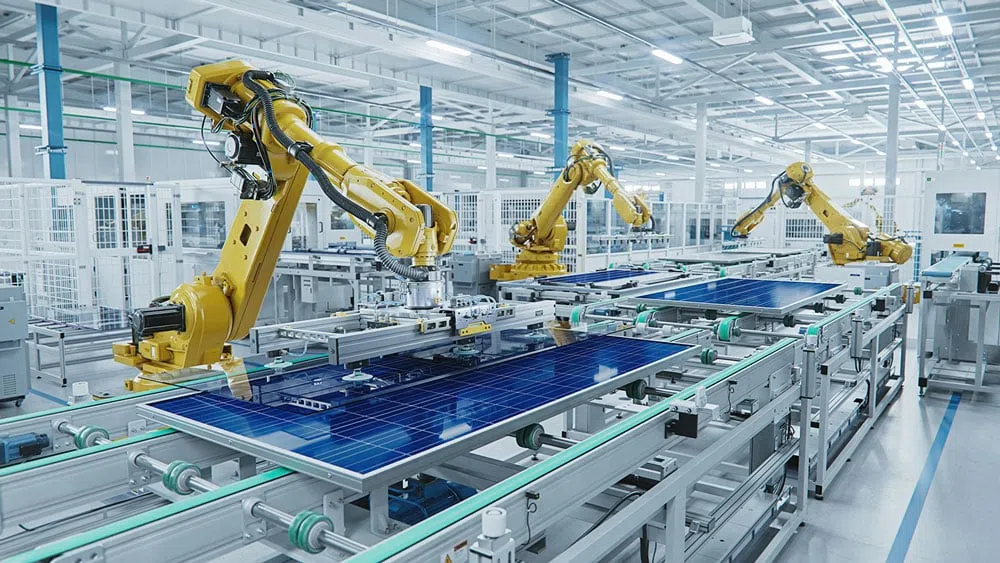 Still, not every job will disappear. People will always be needed to design, build, and repair the machines. Hands-on jobs, like repairing electronics and maintaining robots, will continue to grow as automation spreads.
From offices to factories, robots are changing the way people work. They can save time, reduce risks, and cut costs. But one big question remains: can machines ever truly replace the human touch.



