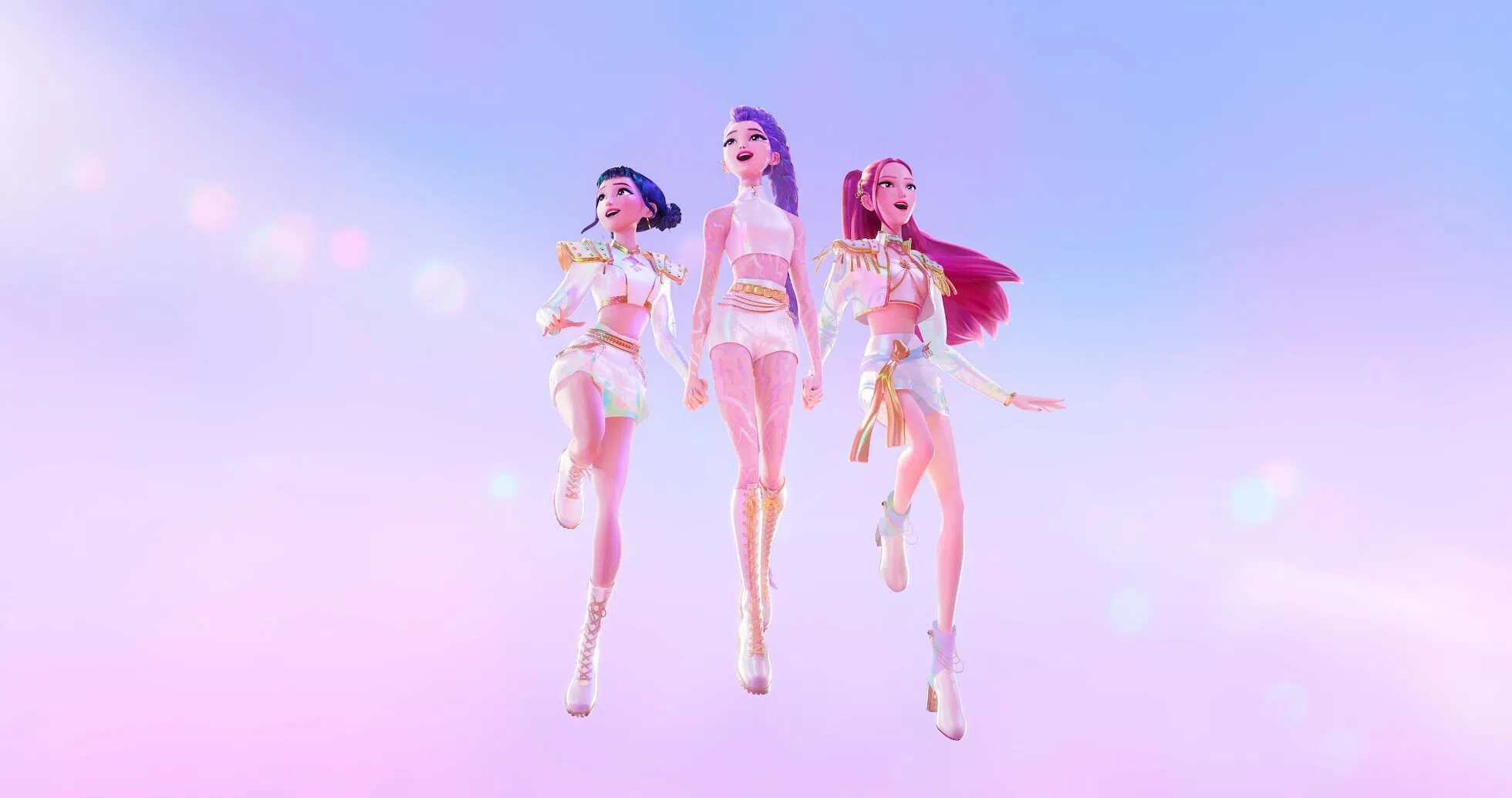
“K-pop Demon Hunters” that are gaining popularity around the world. Canada is no exception.
The “K-pop Demon Hunters” streaming on Netflix has become very popular worldwide, and an event called “Kpop Demon Dance Night” will also be held in London on October 9th.
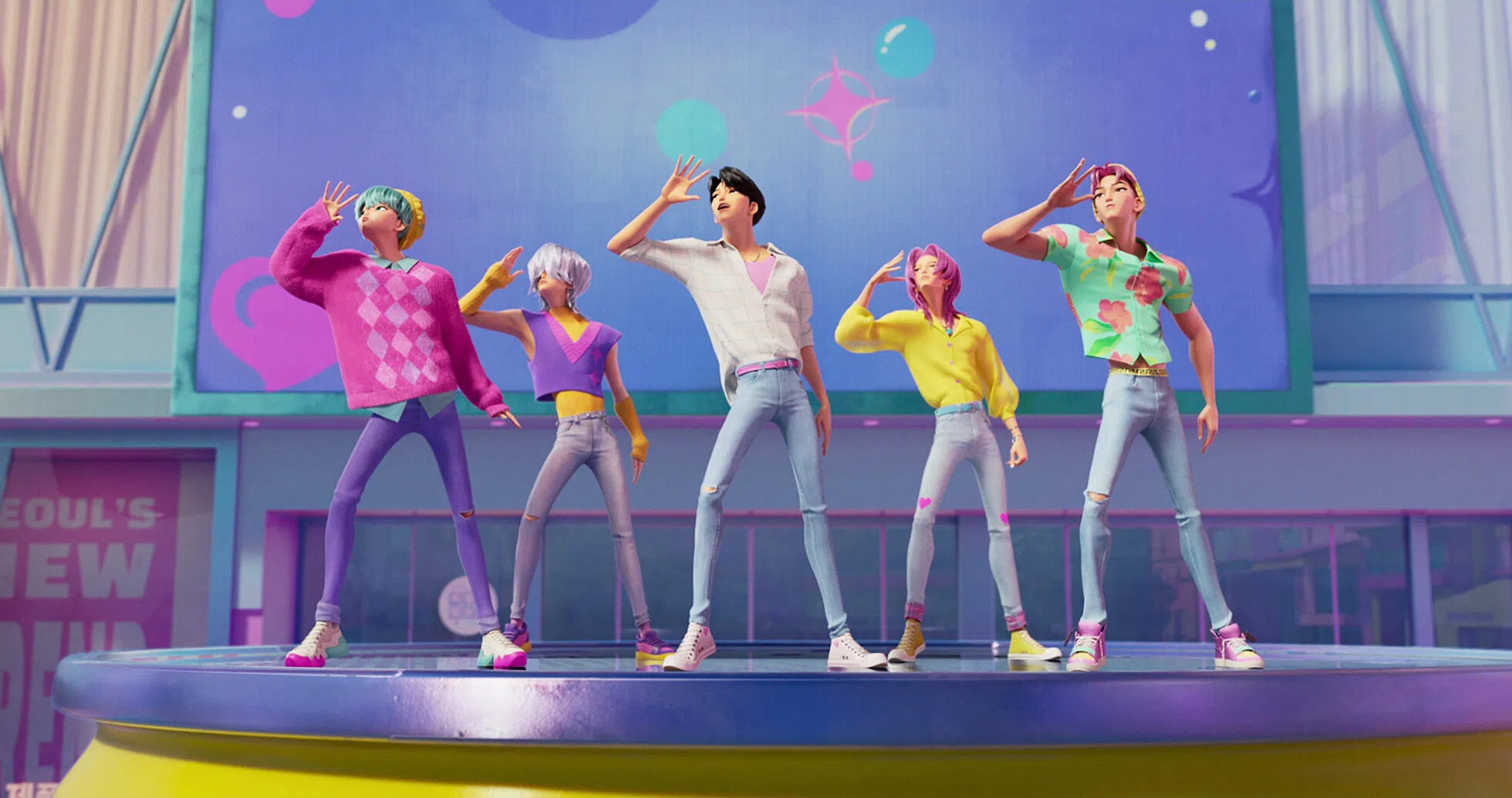
(Credit: Netflix) Saja Boys
What are the idols and K-pop that set the “K-pop Demon Hunters”?
The dictionary meaning of an idol is an image or representation of a god used as an object of worship. But now, the meaning of idol is a person deeply admired and loved by many. Also, Korean idol’s pop, called K-pop is especially famous.
Western University’s K-pop club’s member Seojun Park said what attracted him into K-pop.
“I think what attracted me into K-pop is the visuals in terms of performances, the stage, and the music videos and everything. It really drew me into it, made me want to learn more about it, and also share it with my friends.”
K-pop Dance team called KWNS’s member Piper said people connect over music and dance and being able to like and experience things.
“I also think the aspect of K-pop where they make it very like personal in dance practice videos or even behind the scenes, I think it helps to connect with fans when you do that. So I think K-pop being this big sensational thing has to do with also like connection with fans and things like that.”
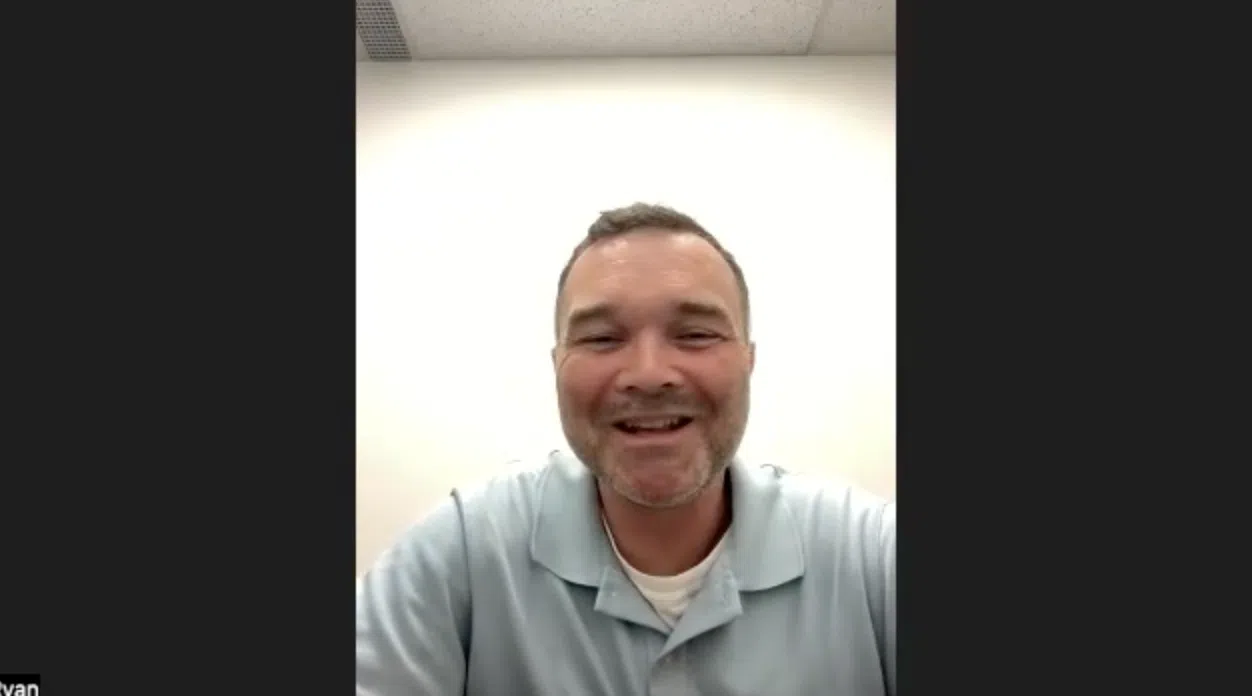
(Credit: Emily Kim) Dr. Ryan Bruce
Western University’s Popular Music Professor Dr. Ryan Bruce said the keyword for K-pop’s success is cultural technology.
“I think if we shift our focus outside of North America and start looking at the rest of the world we actually see K-pop on fire everywhere it’s so much more explosive everywhere else than just in the Western world and so uh if that’s the question I think that the main reason or if I was to go on what I understand and what I know about it that cultural technology piece uh thinking about K-pop not as necessarily as music but as a cultural export or just as an exported manufactured good just the same as uh you know Hyundai or Kia that come out of Korea or LG or Samsung these are all exports and they’re ways that the country makes money and they have a manufacturing process.”
But, he said there are many problems with K-pop as well.
“I talked about labor um economics fair treatment of artists fair treatment of those that are within the production um and a lot of those have to do with politics so who’s making decisions and why um and then of course then there’s uh especially implications in gender imbalances so uh in which ways do uh our artists you know um being restricted or being packaged into certain ideologies or into certain value systems and we do see that especially in K-pop I think on the surface level most K-pop fans will know that um you know these people that are performers are hand selected they go through a um you know a process where they’re uh they have auditions that that happens everywhere as well but they are kind of selected for very particular purposes related to their appearance so you know the expectations of somebody’s weight or some or the way that somebody looks and then even more so in K-pop we see artists that undergo plastic surgery for particular aesthetics like particular what I would say you know these are a lot of them are patriarchal values that come down into what’s expected out of a woman performers especially so,”
He adds that inter-fandom exchanges are also needed to solve those problems.
“I think that the fandom that’s built as much as you know a lot of these fandoms are built in order for that industry to thrive in order for a new group or an existing you know a new group to to come up and that group to be successful or an existing group to then um have more success or break a new market or come up with a new album and you know a new comeback album or whatever it is uh fandoms we are on a larger level we’re actually rethinking how uh power hierarchies of power work from K-pop and whether that hierarchy should account for audience demographics more and when I say audience demographics I’m kind of pointing to fandom cultures it’s not just fandom cultures but they have a lot of power so you know fandoms are very quick to speak up on behalf of their artists and what they view as you know what is right for them what is uh part of their life that they’ve learned about that is wrong for them um they’re willing to speak up um when they believe that uh you know they’re able to add pressure and that becomes an economic pressure it becomes a social pressure it becomes a political pressure and so I think that those things are underway and different than we what we see in other kinds of problematic music industries.”
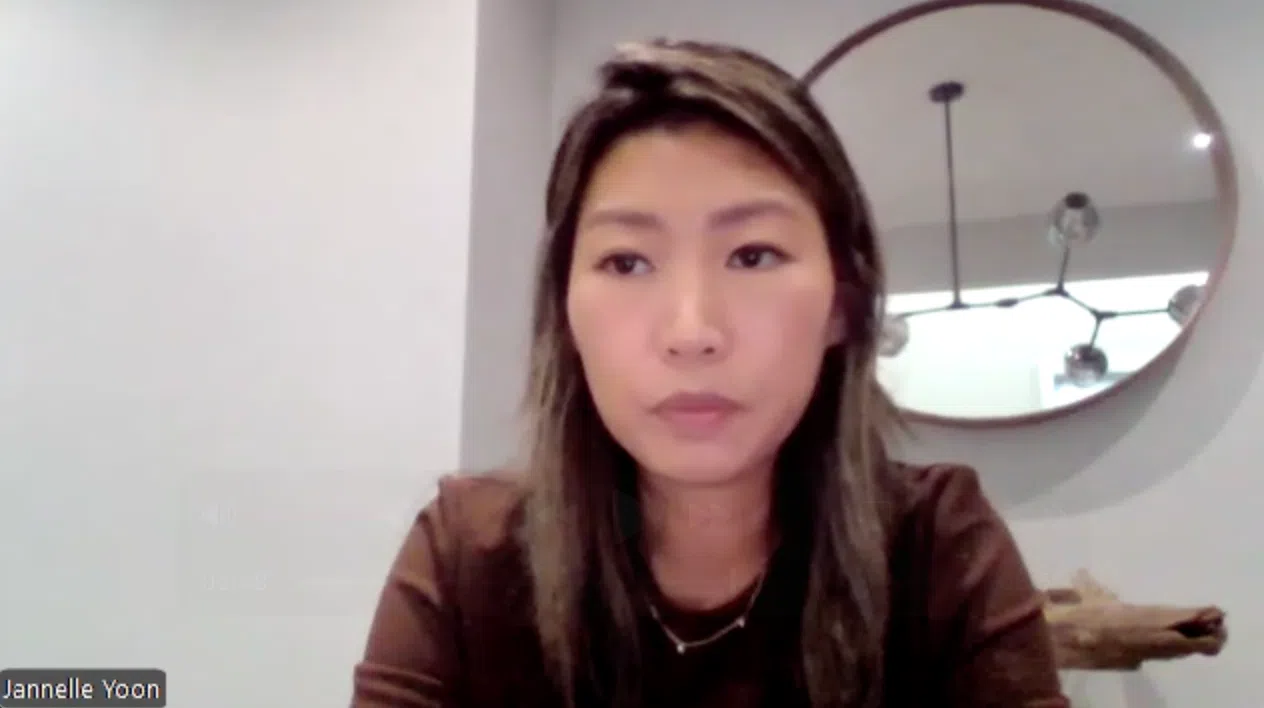
(Credit: Emily Kim) Korean Culture educational developer Jannelle Yoon
Korean Culture educational developer Jannelle Yoon said the most important things is that the success of K-pop has strategically amplified by both entertainment companies and the Korean government.
“The Korean government recognized this early on, that cultural exports could serve as a form of self-power and economic growth, as many researchers have also discussed. Through funding global promotion and cultural diplomacy initiatives, they really helped position K-pop as a key driver of Korea’s global image and influence, and that exporting culture to generate revenues.” She said.
Lastly, she added that K-pop is one of the most visual K-culture.
“It played a key role in this, and it helped to spark interest in Korean history, language, food, and values, I believe. I think it encouraged Canadians to see Korea not just as a pop culture hub, but as also a dynamic global partner.”
If you want to hear more, check out our almost 107 podcast. Available on our website or wherever you get your podcasts.



