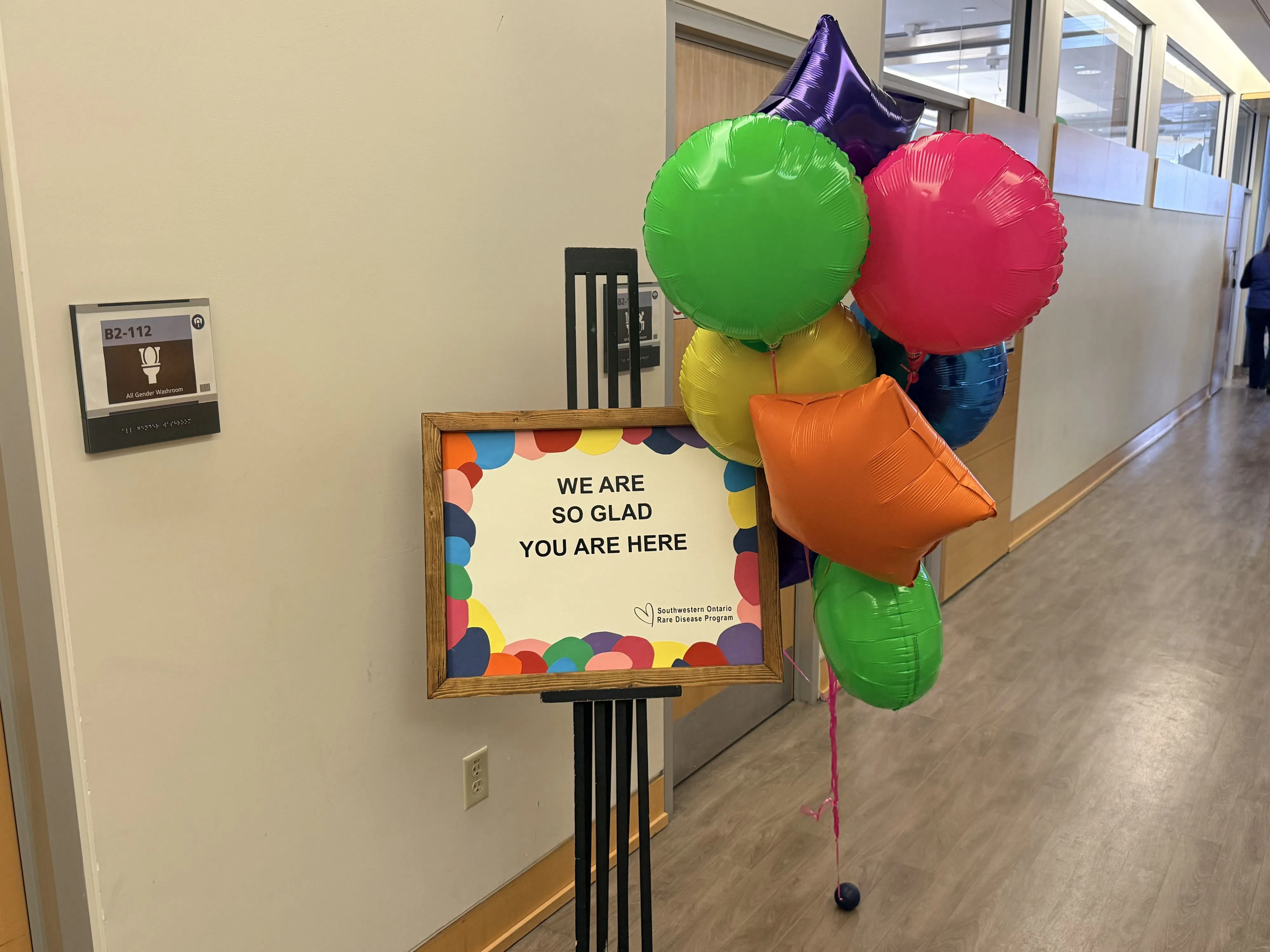
 Families, doctors and community leaders gathered at the Children’s Hospital at London Health Sciences Centre on Rare Disease Day on Friday, 27th to raise awareness and announce a new program aimed at helping patients get faster diagnoses and better care.
The new program, called Southwestern Ontario Rare Disease (SWORD), will connect specialists across the region, improve access to genetic testing and create a patient registry to better understand how many people are affected.
Rare diseases may sound uncommon, but together they impact many Canadians. A disease is considered rare if it affects fewer than one in 2,000 people. There are nearly 8,000 rare diseases, and most are genetic. In total, about one in 12 Canadians lives with a rare condition.
Why this matters
For many families, getting a diagnosis can take years. Some patients go through multiple tests and hospital visits without clear answers. Doctors say that delay can affect treatment options and cause emotional stress.
Dr. Sunita Venkateshwaran, a pediatric neurologist at Children’s Hospital, said diagnosing rare diseases is often complex.
“Not everything has a clear diagnosis,” she said. “Sometimes families wait years before they get answers.”
She explained that about half of rare diseases can now be identified through advanced genetic testing. However, many conditions remain difficult to confirm.
The goal of SWORD is to shorten that wait time and guide families through the healthcare system more easily.
“We want to help families navigate the system,” she said. “We are doing our best to get them answers sooner.”
A family’s story
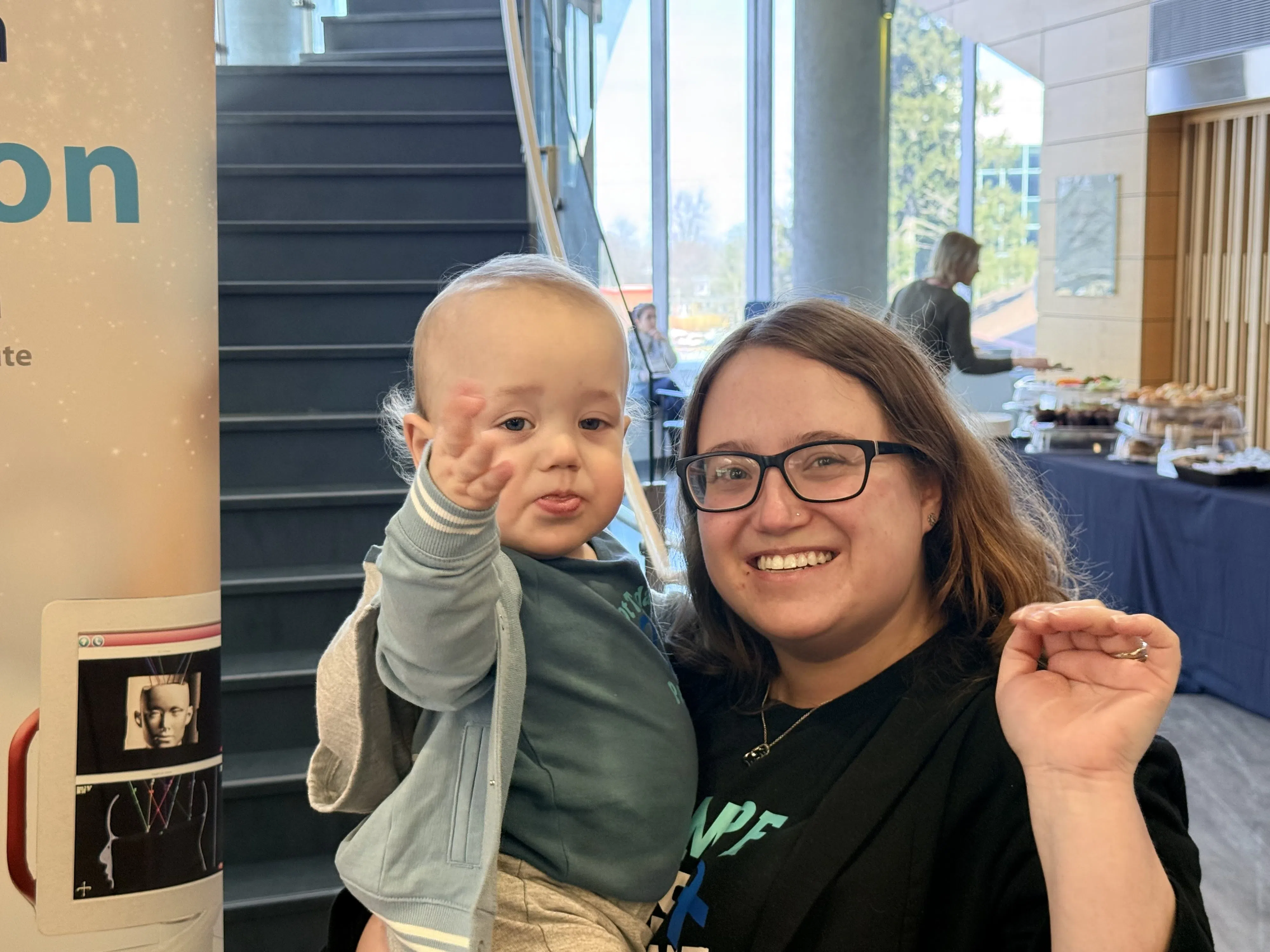
Kaiden with his Mom (Rachel Babcock) Credits: Prateek Ahuja
For Rachel and Aaron Babcock, Rare Disease Day is deeply personal.
Their son was born with a rare and life-threatening illness. He spent more than 30 days in the neonatal intensive care unit before doctors identified the condition.
“It was really, really tough,” Rachel said. “We didn’t know how long our son had left to live.”
Now 16 months old, their son receives weekly treatments and is currently stable. Still, the future remains uncertain. He has already spent more than 70 days admitted to hospital.
“A lot of people look at him and think everything is fine,” Rachel said. “But we don’t know what our future holds.”
The family says support from hospital staff and Ronald McDonald House helped them during long stays away from home.
“Science gives us hope,” she said. “There are new treatments being developed.”
Community support
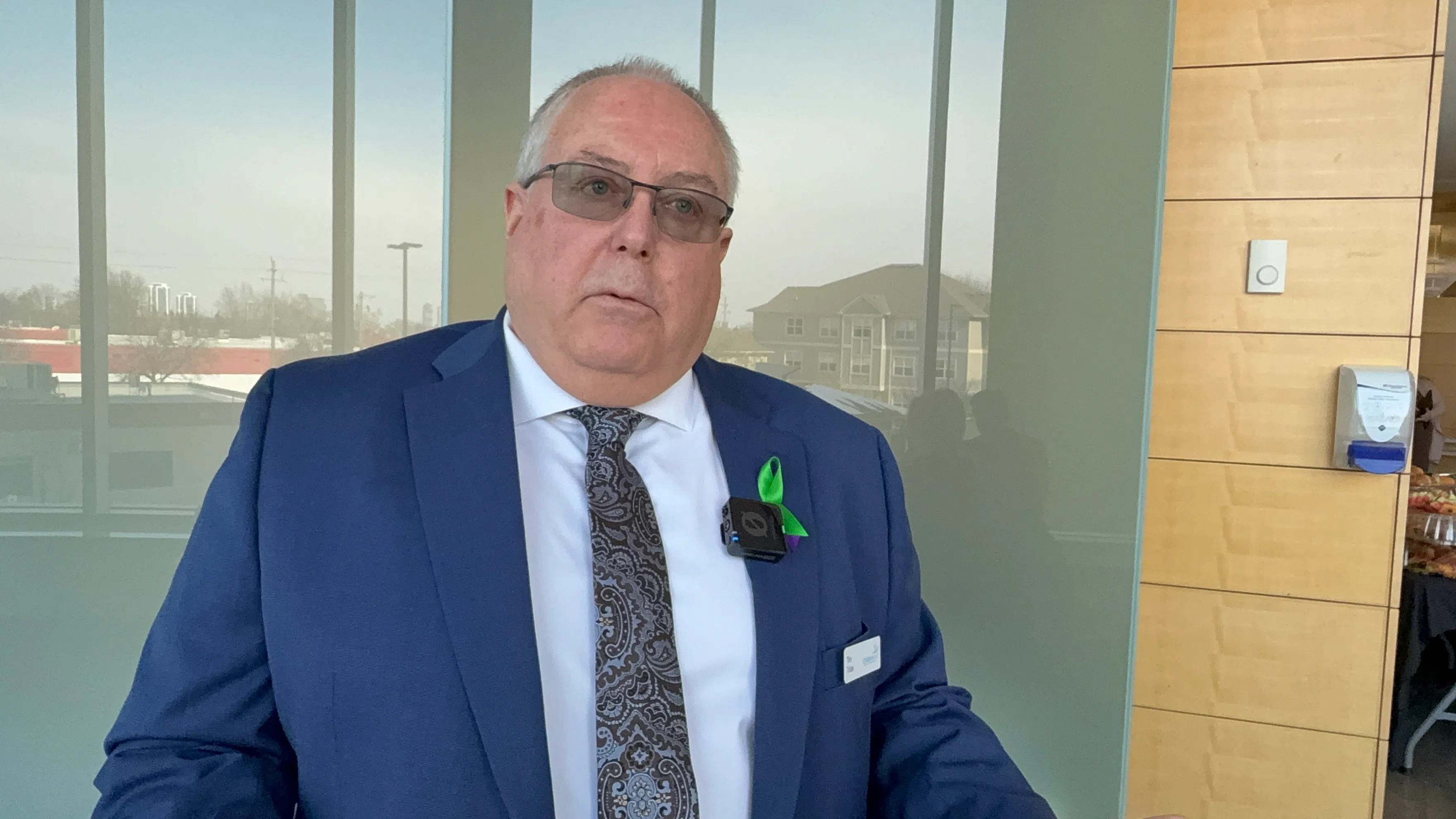
Tim Tribe Talking about how the organization works
Tim Tribe, Vice President of Philanthropy at Children’s Health Foundation, said donor funding plays a major role in patient care.
He explained that up to 95 per cent of equipment in children’s hospitals is funded by donations. That includes machines used for testing, treatment and research.
The foundation also helps families with practical needs such as hotel stays, food and transportation when travelling for medical care.
“It shows the strength these families have,” Tribe said, sharing the story of a teenage patient who remained positive during a long hospital stay.
Looking ahead
Dr. Sunita Venkateshwaran said programs like SWORD are about building a stronger medical system for patients with rare diseases.
She explained that by bringing specialists together and creating a regional registry, doctors will better understand how many people are affected and what support they need.
The goal, she said, is to shorten the time it takes to diagnose rare conditions and make care more organized across Southwestern Ontario.
“We want families to feel supported,” she said. “We are working toward getting answers faster and improving treatment options.”
She added that research and new medical technology continue to grow, giving doctors more tools to help patients in the future.



