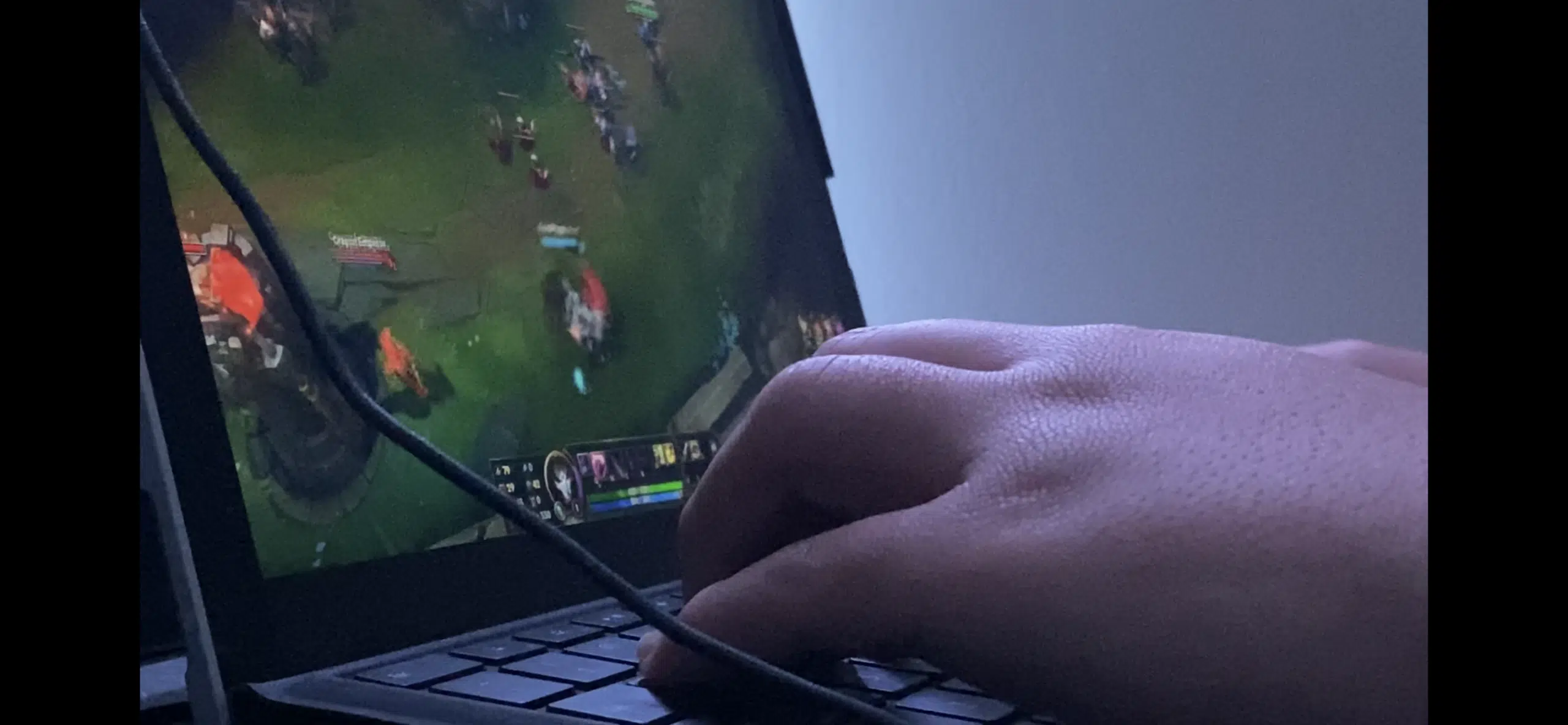
Photo taken by Timothy Magallanes
The gaming industry has been one of the fastest growing sectors in the economy, and has been relevant to our society and pop culture. But there is a darker side of video gaming that’s only been brought to light in recent years.
One of the biggest cases of sexism in the gaming industry was when employees for Riot Games, known for making the popular MOBA League of Legends, walked out of the building to protest against the company’s workplace harassment against females.
But this issue transcends workplace harassment and dwells deep within the gaming culture.
Londoner Amber Edmonson has been playing games ever since she was young. Her first account of online gaming was with League of Legends.
“Sometimes we get people who are like, ‘oh great a girl. I guess this game’s lost’ or ‘hey play this character because you’re a girl.’ It happens every once in a while,’ said Edmonson.
The culture has always been male dominant. Edmonson says that women are getting more into the gaming scene, but men still think that the culture is a non-female environment. She says, “[men] still think we’re worst at the game or that we’re not as skilled.”
When it comes to solving this issue Edmonson believes that it’s just about normalizing the presence of women in gaming culture.
“If you go into the game and you see a girl just play the game. So what you hear a girl’s voice. The more it’s normalized the more I believe the sexism will be less drastic,” says Edmonson.
Robert Muhlbock is Fanshawe’s gaming culture professor. He says that historically gaming was not advertised as a girl thing.
“Women were actively discouraged from playing video games. All the signs and signals were there whether it was advertising or marketing,” says Muhlbock.
Because this kind of male dominated environment developed, ingrained hostility grew within the culture once females started to participate more. Muhlbock says, “it all comes down to this idea of power, and this men want to retain this power. It’s all about insecurity and loss of power.”
Muhlbock shared the same idea as Edmonson when it comes to improving gaming environments. As time progresses, the normalization and acceptance of women in gaming will grow. “Once something is widely seen in a culture, the more people are going to accept it,” says Muhlbock.




Comments