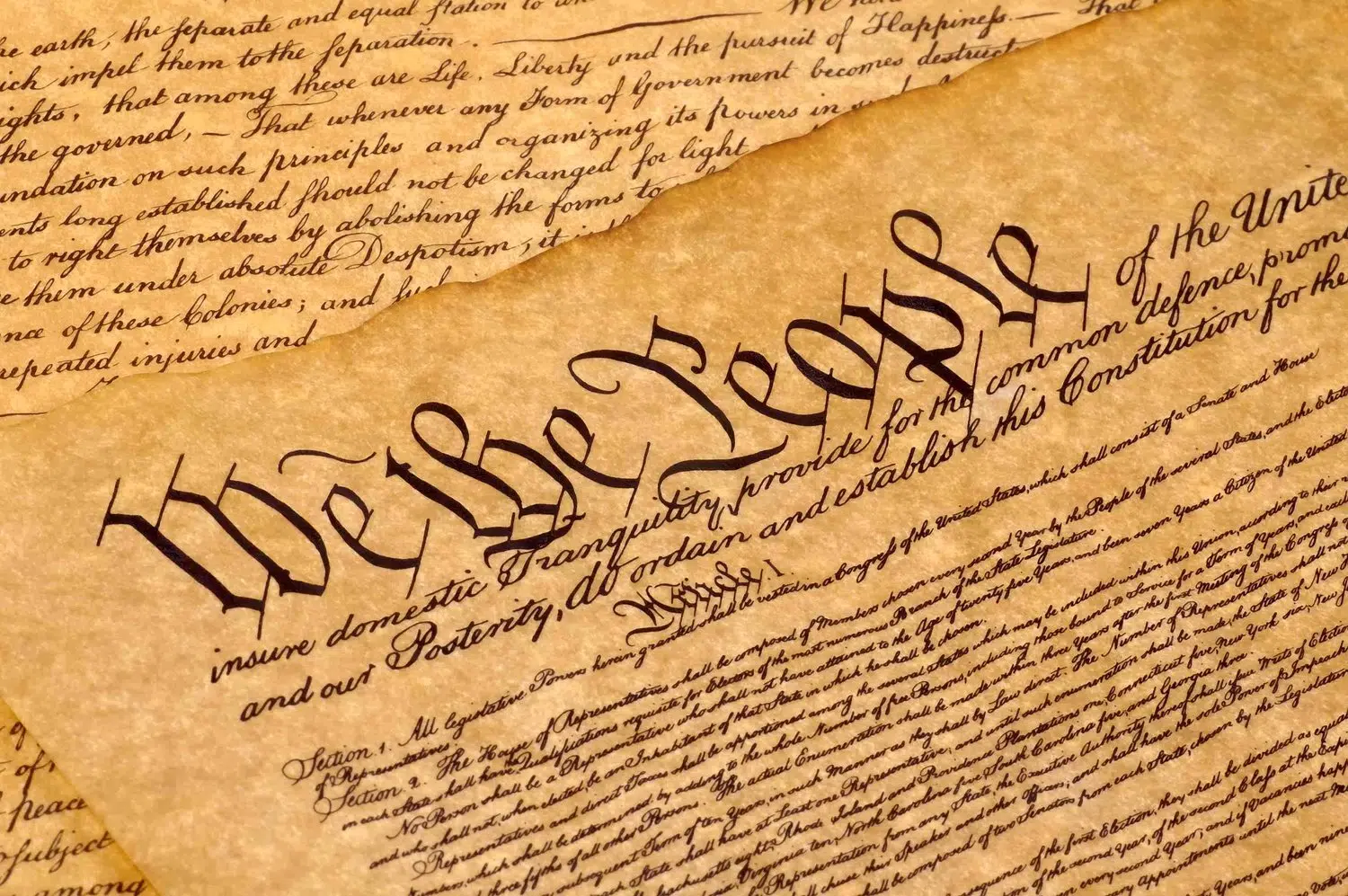
Nancy Pelosi set the media cycle ablaze on Friday, backing a new law that would invoke the 25th Amendment. This came after a week of concern for President Trump’s wellbeing following his contracting of COVID-19.
House Democrats already dealt with a messy impeachment process earlier in the Trump presidency, so why did Pelosi bring up the 25th Amendment now, with less than a month until election day?
What is the 25th Amendment?
The 25th Amendment is a essentially a tool, allowing the powers of the presidency to be transferred to a series of successors should the president ever become incapacitated.
Fanshawe Interdisciplinary Studies Professor, Matt Farrell said the plan tries to envision various possibilities, in order to prepare the country for such an instance.
“They accounted for the president not being able to do their job,” said Farrell, explaining how the amendment came to be in the Constitution. “So they have a very long list of people that would be next in line should the president not be able to do their job.”
First among those next in line would be the Vice-President (currently Mike Pence).
The Amendment outlines what happens if the president dies, is too sick to serve, or in some cases is undergoing surgery.
In that case, the president could voluntarily transfer power temporarily to the Vice-President, under Section 3 of the 25th Amendment.
Farrell said past presidents have enacted Section 3 for various reasons.
“Ronald Raegan did this when he was having surgery,” he said. “Clinton, Obama…a bunch of presidents have done this when they’ve gone under.”
Section 4
Section 4 of the 25th Amendment is what House Democrats are looking to now. Section 4 states that the Cabinet or a body created by Congress can decide to remove the president from office if they believe he is no longer fit to serve.
This almost happened once before, when President Raegan was shot following an assassination attempt.
This could theoretically lead to the president being removed from office if it was agreed that they were unable to carry out their duties.
How is this different from impeachment?
“Impeachment is a sort of quasi political-judicial process,” said Farrell. “Where the president or senior officials are deemed to have violated the law in some capacity.”
A president might be impeached for:
- Treason
- Bribery
- Other high crimes or misdemeanors
This means it differs from the 25th Amendment in that it deals mostly with political or legal wrong-doing, rather than the president’s physical or mental health.
“These are two very different instruments for getting to the same outcome,” said Farrell.
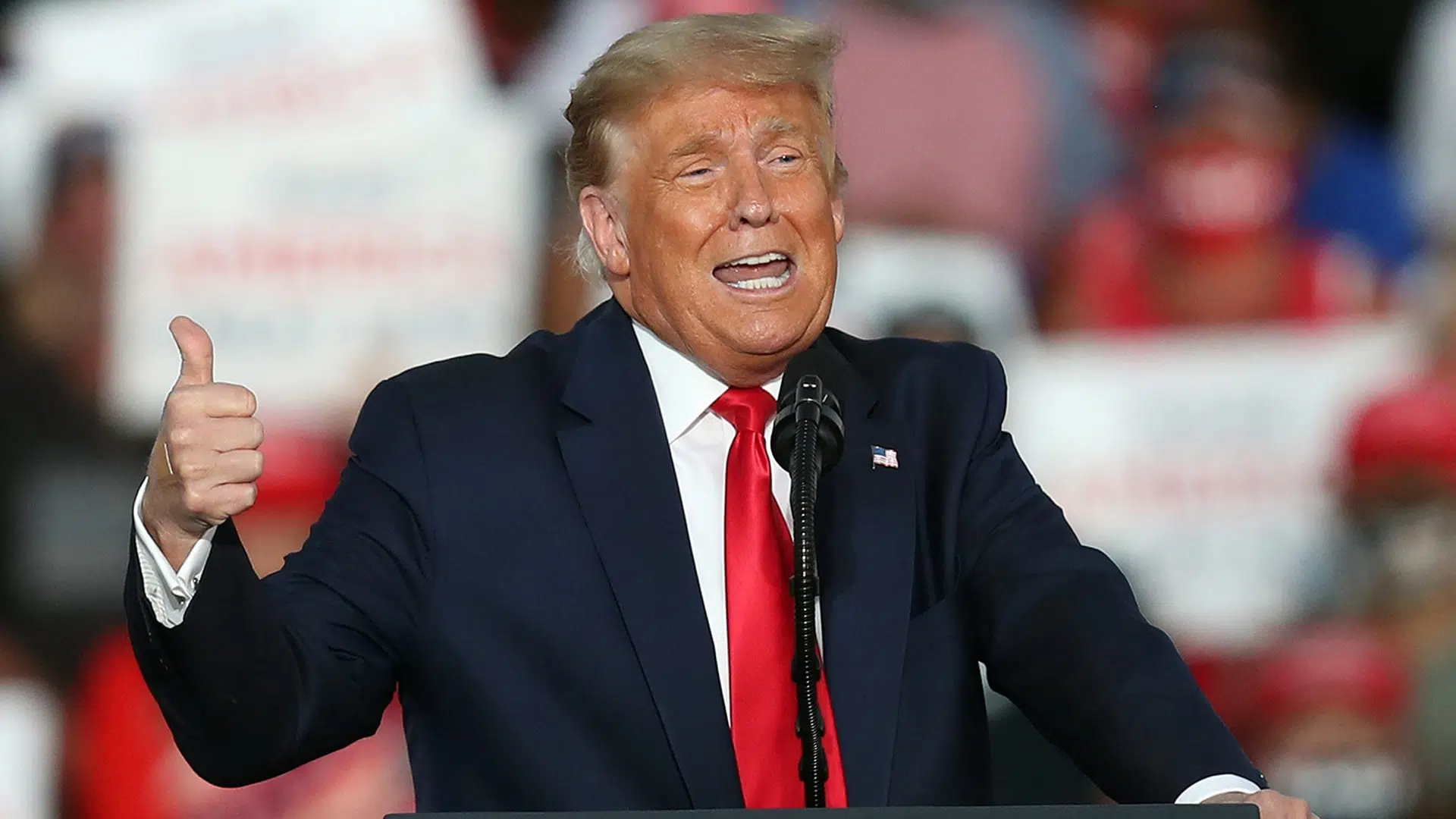
President Trump at a rally in Florida on Tuesday, Oct. 13
Why now?
Farrell said that practically speaking, there is likely no chance that a bill backing the 25th Amendment would have any chance at passing right now.
“Because of the balance in power right now, the Democrats control the House, the Republicans control the Senate,” he said. “So any legislation would not go anywhere.”
So why did Pelosi drop the bomb that Congress would be discussing the 25th Amendment?
Farrell said there are likely two reason:
- It’s a political tool to prime voters
Farrell explained that Pelosi has been apprehensive in the past about removing the president from office, often leaning more towards letting voters make the call to appease more moderate House members. Given that, he said, it’s likely she’s mentioning the 25th now as way to get voters thinking about Trump’s unfitness for office.
“Something like this focuses the Democrats attention back on, ‘hey is this guy really fit for office?’,” said Farrell. “I think that’s part of it, just to focus campaign messaging and get it away from Biden’s own missteps on the campaign trail.”
2. Preparing for the lame duck session
The “lame duck session” refers to the time when an incumbent president who has lost the election is still in power before the inauguration of the next president. On Jan. 1, new members of the Senate and House are sworn in, leaving 20 days for Trump to potentially stop legislation or sabotage a successor.
Farrell said House Democrats could be trying to relinquish some of Trump’s power during that period, should they hold the House and possibly win the Senate.
“Who knows what kind of qualities he could govern with, knowing that he was leaving office in a weeks?” said Farrell.
He said it might be why Pelosi is mentioning the 25th Amendment now, in case things go “off the rails” in Jan.
Not so incapacitated
For now, President Trump appears to be trying to function normally after his brief battle with COVID-19. He’s on the campaign trail in Florida now, hosting rallies to huge crowds against the wishes of public health officials. It’s unlikely that Pelosi’s discussion of the 25th Amendment will lead anywhere, other than to keep the President’s fitness for office at the forefront of voters’ minds.




Comments